
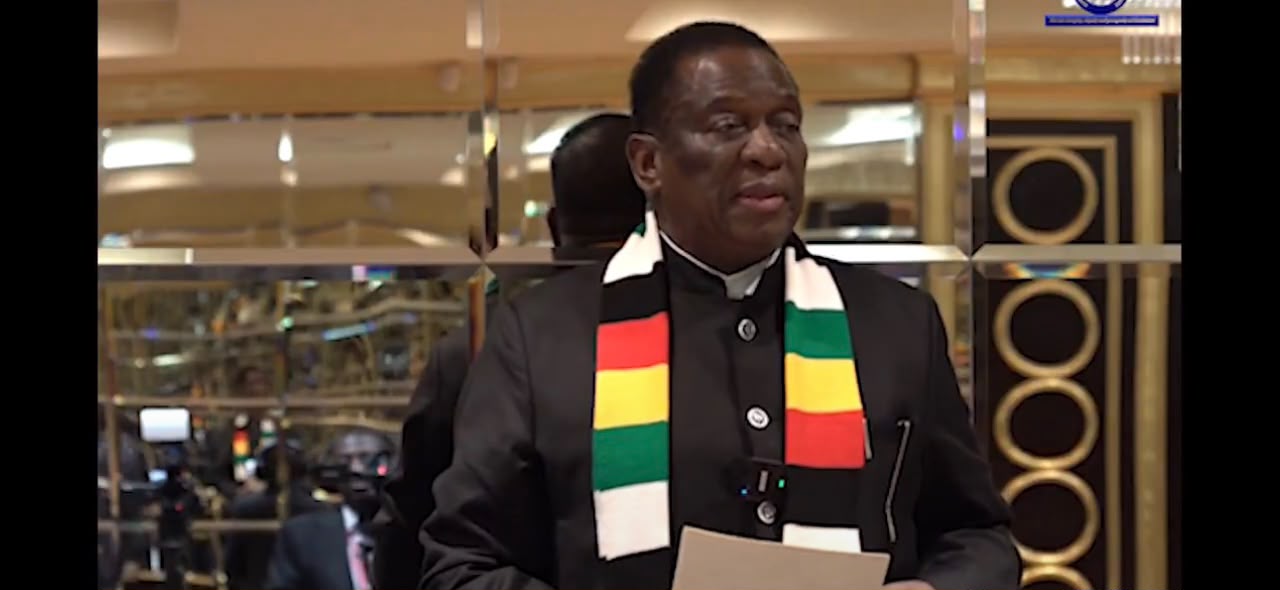
Zimbabwean President Emmerson Mnangagwa has urged students studying in Russia to return home after completing their education and use their skills to support the country’s development, calling their studies an investment in Zimbabwe’s future.
Mnangagwa appealed for an engagement with approximately 60 Zimbabwean students in Moscow on 27 October, where he challenged them to look beyond academic qualifications and consider how their knowledge could help address challenges facing their country.
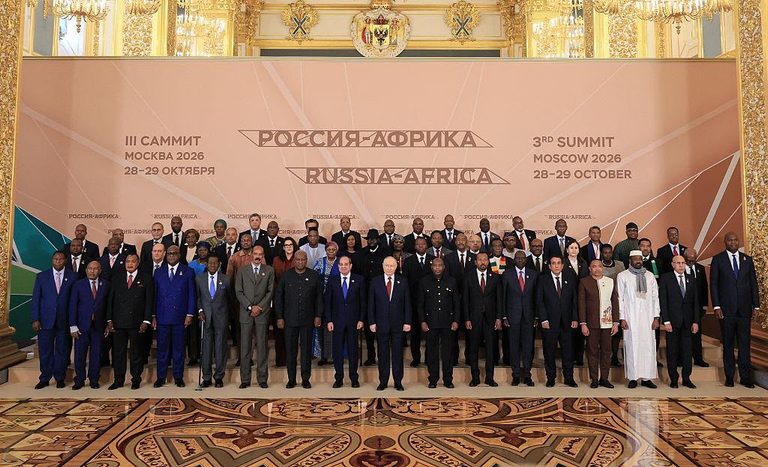
The meeting took place on the sidelines of the Third Russia–Africa Summit, which brought African leaders and Russian officials together in Moscow to discuss political, economic and other areas of cooperation.
According to Zimbabwe’s state broadcaster, ZBC, the students discussed issues affecting national development, including infrastructure and energy. Some also raised questions about how scientific knowledge and technical expertise acquired in Russia could be applied to Zimbabwe’s needs.
Mnangagwa told the students that their decision to pursue higher education in Russia was not simply a personal undertaking but also a contribution to their country’s future.
“Your decision to pursue your studies in the Russian Federation is therefore not only a personal investment, but a national investment. It is an investment in the motherland. You are our investment,” he said, according to The Herald.
He urged them to consider the practical value of their education, including the technologies they could develop, the businesses they could establish, and the institutions they could help strengthen after returning home.
The message reflects Zimbabwe’s wider effort to connect overseas education with its Vision 2030 development ambitions, which seek to transform the country into an upper-middle-income economy.
Foreign Affairs and International Trade Minister Professor Amon Murwira also addressed the government’s development strategy during the engagement. He highlighted the importance of building national capabilities, promoting inclusive development and ensuring that citizens abroad remain connected to the country’s progress.
Murwira referred to Section 35 of Zimbabwe’s Constitution, which recognises the responsibility of the state to protect the interests and welfare of Zimbabwean citizens living outside the country.
The government has also presented its engagement with students abroad as part of its broader relationship with the Zimbabwean diaspora, whose knowledge, experience and potential contributions it hopes to connect with national development priorities.
Zimbabwe has students enrolled at universities in several countries through educational cooperation arrangements, including a presidential scholarship programme. During the Moscow engagement, Mnangagwa was told about the experiences of students pursuing different fields of study, while some shared how the opportunity to study abroad had changed their lives.
The challenge, however, extends beyond encouraging students to return. Turning international education into national development also requires opportunities for graduates to apply their skills, access to research and investment, and institutions capable of supporting innovation and new enterprises.
For Zimbabwe, the value of sending students abroad will ultimately depend not only on the qualifications they obtain but also on whether the country can create conditions in which their expertise can contribute to its economy.



Comments0 ShowHide