
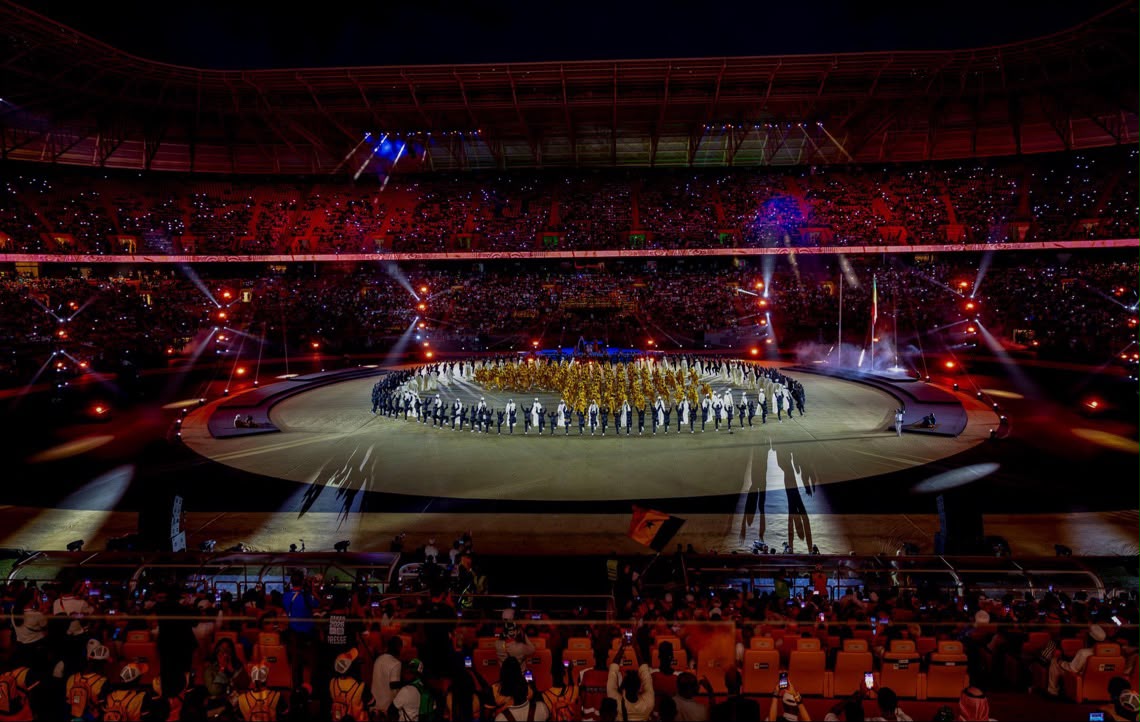
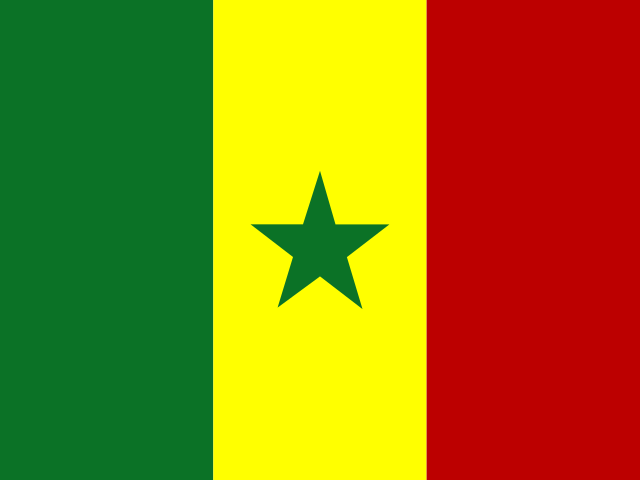
Senegal has made history by hosting the first Olympic sporting event ever held on African soil, as the Dakar 2026 Youth Olympic Games officially opened on Saturday with a ceremony celebrating Senegalese identity, African culture and the ambitions of a new generation.
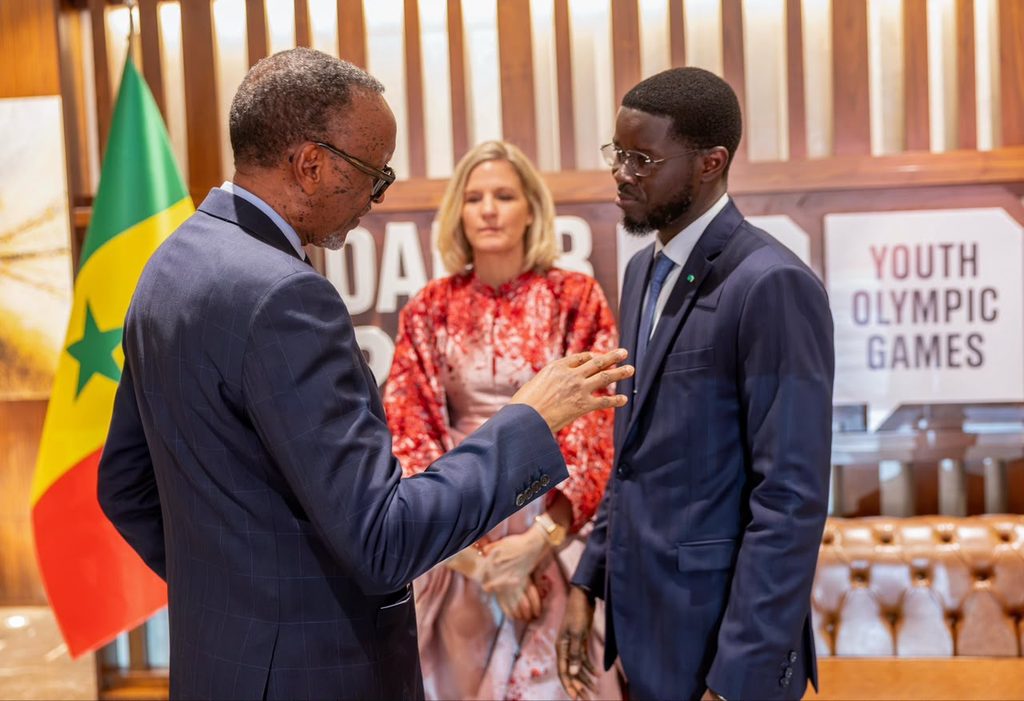
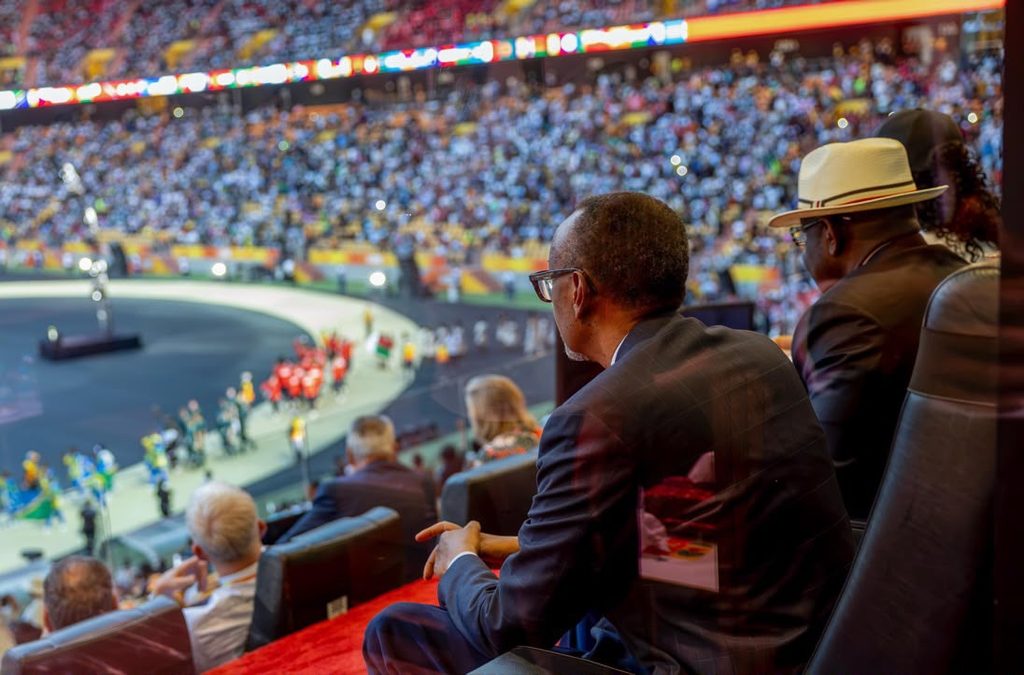
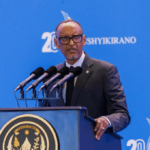
The opening ceremony took place at the Abdoulaye Wade Stadium in Diamniadio, near the capital Dakar, bringing together young athletes from around the world, senior international officials and several African leaders, including Rwandan President Paul Kagame, who attended alongside his host, Senegalese President Bassirou Diomaye Faye.
The event marked a milestone for a continent that has long sought a greater place in international sporting competitions. For Senegal, it was also an opportunity to present its culture and hospitality to a global audience.
More than 1,100 performers took part in the ceremony, which used music, dance, traditional performances and storytelling to present different chapters of Africa’s past, present and future. Senegalese traditions featured prominently, including performances by traditional wrestlers and artists, while the programme also included a concert by celebrated Senegalese musician Youssou N’Dour.
The production involved local creative professionals, with nearly 1,500 costumes made for the occasion. The ceremony’s artistic presentation placed particular emphasis on Senegal’s cultural identity and the diversity of the wider African continent.
President Faye expressed his appreciation after the event, describing the evening as a celebration of Senegal and its people.
“Authentic Senegal! What a people! What a culture! Tonight, we showed the world the beauty of what we are,” he wrote in a message shared on social media. He also thanked those who contributed to making the ceremony memorable.
Kagame’s presence was among the notable moments of the evening. Rwanda’s Presidency said he had arrived in Dakar earlier in the day, where he was received by Senegalese Prime Minister Ousmane Sonko, before joining Faye and other leaders at the stadium for the opening ceremony.
The Games, running from 31 October to 13 November, are expected to bring together approximately 2,700 athletes aged between 14 and 17. They will compete in 25 sports across venues in Dakar, Diamniadio and the coastal town of Saly, with 153 medal events scheduled.
The competition has also introduced several important milestones for the Youth Olympic movement. The International Olympic Committee says Dakar 2026 is the first Youth Olympic Games to achieve full gender equality across athlete quotas, sports, disciplines and events. A Youth Refugee Olympic Team is also participating, with six athletes representing displaced young people.
Beyond the medals, organisers hope the event will create opportunities for young people to discover different sports, develop friendships across national borders and take part in educational and cultural activities.
The decision to bring the Games to Senegal was announced in 2018, making the country the first African nation selected to host an Olympic event. The competition was initially planned for 2022 but was postponed to 2026 following the disruption caused by the COVID-19 pandemic.
The significance of Dakar 2026 extends beyond the two weeks of competition. Hosting an Olympic event allows Senegal and the wider continent to demonstrate their capacity to organise major international sporting occasions, while placing African athletes, institutions and creative industries before a global audience.
However, the longer-term value of the event will also depend on what remains after the closing ceremony, including the use of sporting facilities, opportunities for young athletes and continued investment in sports development.
Comments0 ShowHide