
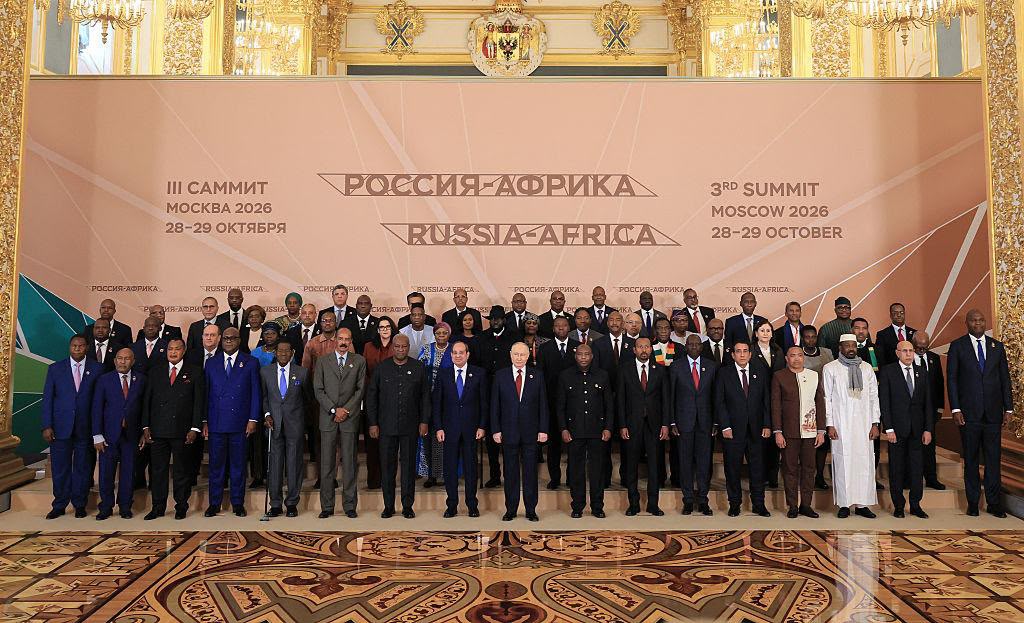
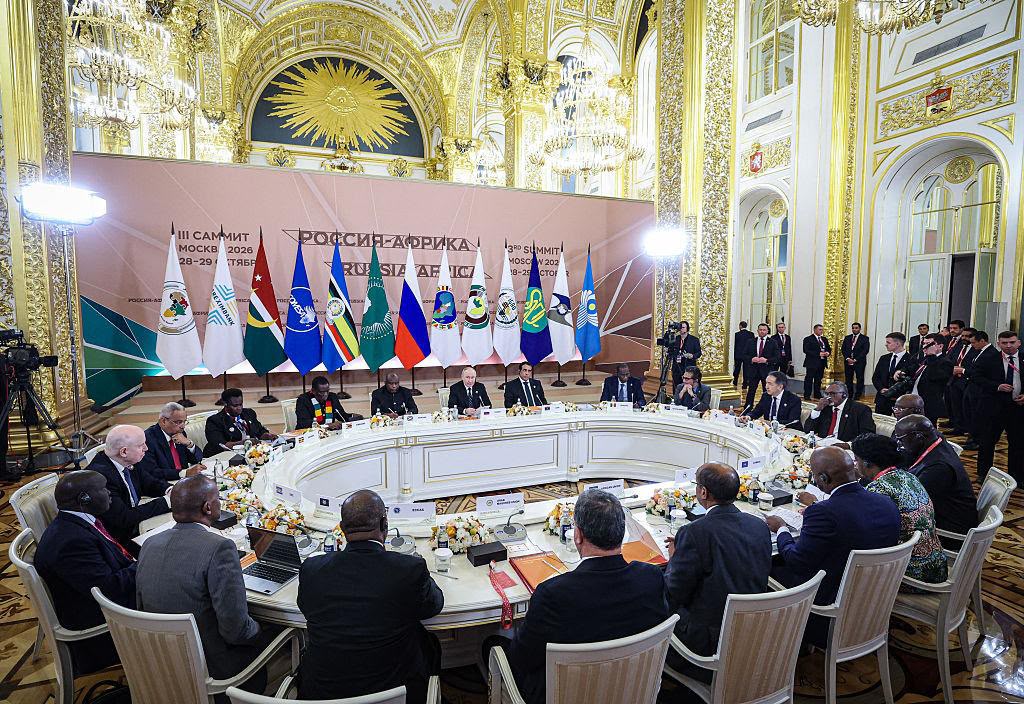
When nearly 50 African countries send representatives to meet one of the world’s most powerful leaders, the gathering deserves attention. When 22 African heads of state and government attend, alongside ministers, diplomats and business representatives, it becomes even more difficult to dismiss as an ordinary diplomatic event.
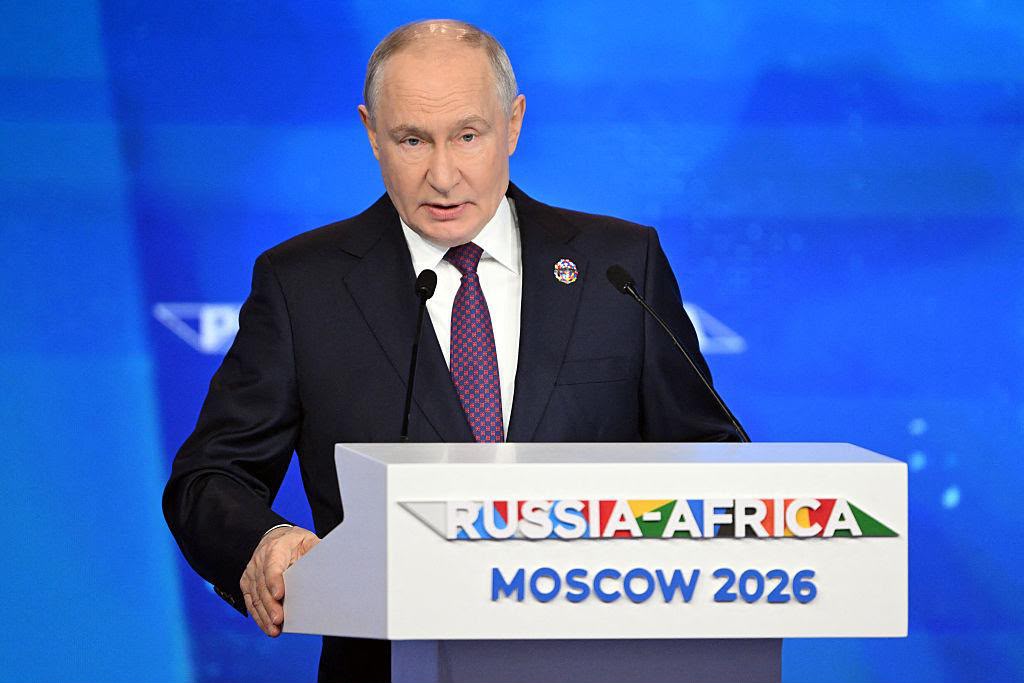
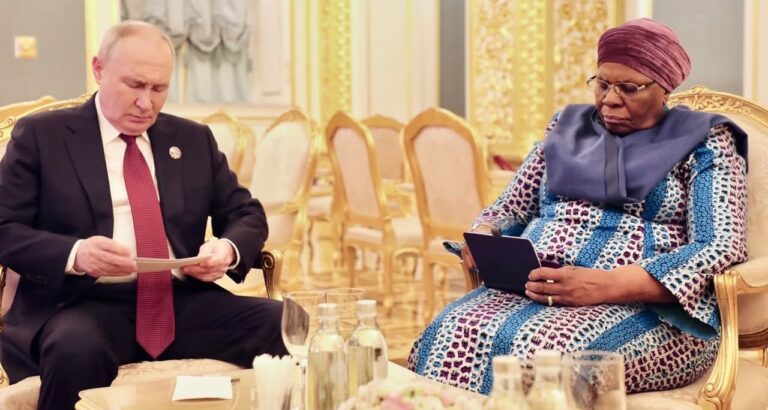
That was the scale of the Third Russia–Africa Summit, held in Moscow on October 28 and 29, where Russian President Vladimir Putin and African Union Chairperson Évariste Ndayishimiye, who is also Burundi’s president, co-chaired discussions on the future of relations between Russia and the African continent.
The summit covered almost every major area in which African countries are seeking international cooperation: trade, investment, energy, agriculture, security, education, healthcare, technology, infrastructure and political representation. Participants adopted a 101-point joint declaration, a separate declaration on cooperation in the civilian use of artificial intelligence, and a Russia–Africa Partnership Forum Action Plan covering 2027–2029.
On paper, the agenda was ambitious. Russia presented itself as a partner willing to support African development, challenge what it describes as an unfair international order and build relationships outside the traditional Western-led system. African governments, meanwhile, came with their own priorities, including access to investment, technology, markets, energy and opportunities to develop industries at home.
But there is a question that deserves to remain at the centre of the conversation long after the photographs from the Kremlin have disappeared from social media: after three Russia–Africa summits, what has actually changed for African countries?
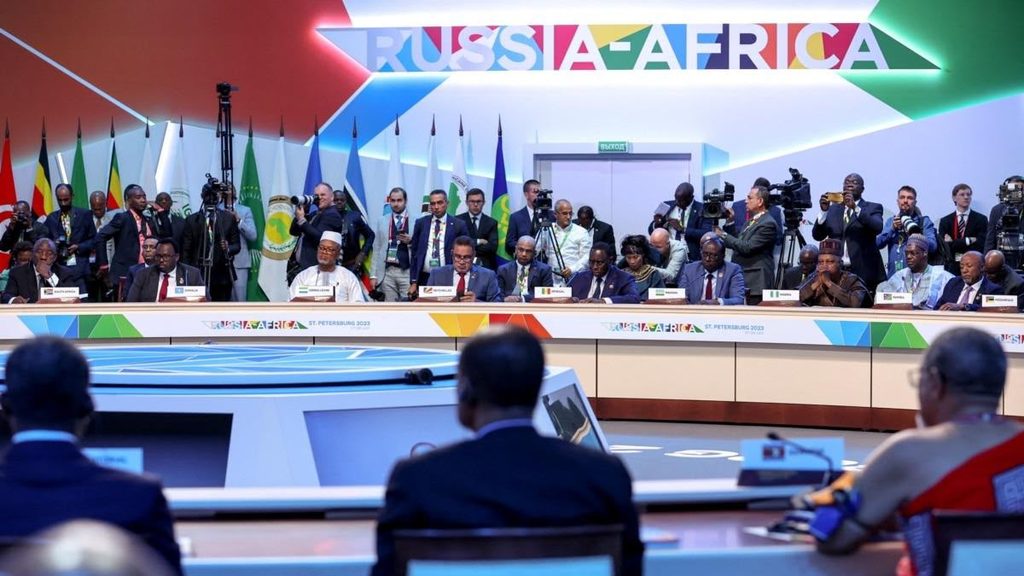
The first summit was held in Sochi in 2019, followed by the second in St Petersburg in 2023. Both gatherings produced declarations and promises of stronger cooperation. The Moscow meeting was another opportunity to move that relationship forward, but the continent should not measure its success by the number of leaders who attended, the language used in speeches or the length of the final declaration.
Diplomatic attendance demonstrates political interest. It does not, by itself, demonstrate economic progress.
Russia has a genuine place in Africa’s international relationships. Its historical connections with liberation movements, its diplomatic engagement with African governments, its agricultural exports and its involvement in energy and security cooperation have helped Moscow maintain a presence on the continent. For countries seeking to diversify their international relationships, Russia is one of several potential partners.
However, the economic figures reveal a considerable gap between the political attention Moscow gives Africa and the scale of commercial relations between them.
Russia–Africa trade was estimated at approximately $27 billion in 2025. That figure represents a significant relationship, but it remains below the $40 billion trade target Putin announced in 2019. It is also much smaller than Africa’s recorded trade with other major partners. Chatham House, in an assessment published shortly before the summit, put EU–Africa trade at approximately $395 billion and China–Africa trade at $348 billion in 2025.
The comparison does not mean African countries should abandon Russia or that trade with Europe and China automatically produces better outcomes. The figures do, however, show that Russia remains a relatively smaller economic partner for the continent despite its growing political and security engagement.
This is where the promises made in Moscow need to be examined more carefully. Russia has spoken about supporting industrialisation, developing infrastructure, expanding agricultural cooperation, investing in energy and helping African countries process their own mineral resources. These are priorities that African governments have been raising for years.
But the continent does not simply need more buyers for its raw materials or more suppliers of imported products. It needs partners willing to support the development of local industries, manufacturing capacity, research institutions, technology and skilled employment.
For example, an agreement to cooperate in mineral extraction is not necessarily a development breakthrough. The more important question is whether the country producing those minerals will also develop the capacity to process them, manufacture products from them and retain a greater share of the economic value.
The same applies to agriculture. Expanding trade in fertiliser, wheat and other agricultural products may help address immediate needs, but African countries also need investment in agricultural processing, storage, machinery, research and distribution. A partnership that helps a country produce more and depend less on imported finished goods would have a much longer-lasting impact than one measured only by the value of goods exchanged.
The final declaration adopted in Moscow recognised some of these priorities. It called for the removal of trade barriers, increased exports of value-added African products, investment in local production and the processing of mineral resources in the countries where they are extracted. It also addressed cooperation in energy, healthcare, education, environmental protection and the consequences of colonialism.
These are important commitments. Yet the difficulty with international declarations is rarely the absence of attractive objectives. It is the distance between agreeing on those objectives and putting them into practice.
The summit’s 2027–2029 action plan, reportedly containing 236 measures, now provides a framework against which both sides can be judged. African governments should be asking which projects will be funded, which companies will participate, where production will take place, how many jobs will be created and when the public can expect results.
There is also a political dimension to the relationship that should not be overlooked.
Putin has repeatedly presented Russia as a partner that respects national sovereignty and does not impose the same political conditions that African governments sometimes associate with Western relationships. His message has found an audience among governments that want greater freedom in choosing their international partners and are dissatisfied with the existing global order.
There is a legitimate argument for African countries to resist being forced into choosing between global powers. The continent has its own interests and should be able to cooperate with Russia, China, the United States, Europe, India, Turkey and others without being treated as an extension of another country’s foreign policy.
However, replacing one form of dependence with another would not amount to genuine independence. African governments must judge every partner by the terms of the relationship and the benefits delivered to their citizens, rather than by the political language used to describe it.
This is particularly important in security cooperation. Russia has expanded its military and security relationships in parts of Africa, especially in the Sahel, where governments have turned to Moscow after relations with traditional Western partners deteriorated. Yet the results of Russia’s security involvement have been contested, and violence in the region has remained severe.
The recruitment of African citizens into the Russian military for the war against Ukraine has created another uncomfortable issue. Investigations have documented thousands of African nationals recruited into Russian forces, with reports that some were attracted by promises of civilian employment before finding themselves involved in military service.
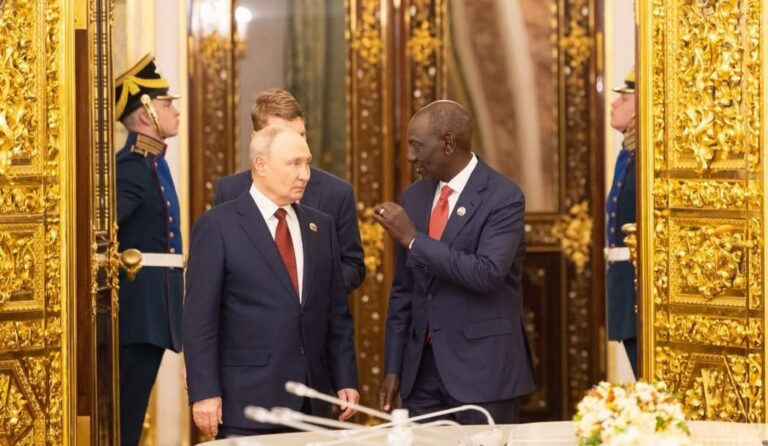
Kenya’s President William Ruto raised the matter directly with Putin during a meeting at the Kremlin following the summit. Ruto said the Russian president had confirmed that Kenya would be designated a non-source country for military recruitment. He also announced the appointment of a Defence Attaché in Moscow to help coordinate the return of Kenyans who had travelled to Russia for military purposes and to pursue compensation for affected citizens.
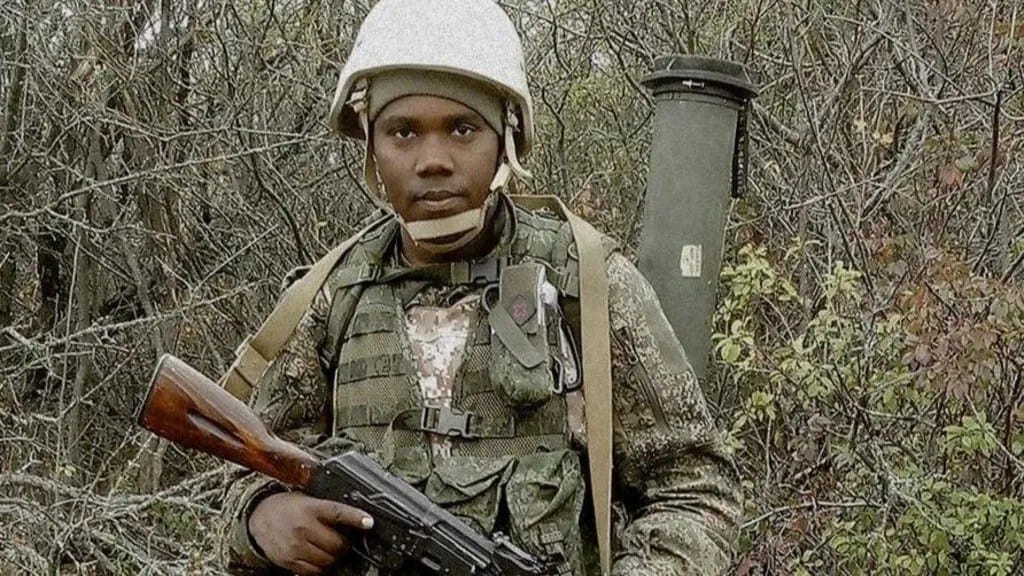
The Kenyan case demonstrates why security and diplomatic agreements cannot be evaluated only through government-to-government relations. The safety of ordinary citizens must also be part of the assessment. African governments should be able to explain what protections their citizens receive when they enter employment, training or military-related arrangements involving foreign countries.
The question is not whether Russia should cooperate with African countries in security matters. It is whether those arrangements provide measurable improvements in security while protecting the people affected by them.
For Tanzania, the Moscow summit was also an opportunity to place national development priorities within the wider Russia–Africa relationship. Prime Minister Mwigulu Nchemba represented President Samia Suluhu Hassan at the gathering, where he delivered a speech that brought attention to issues that are particularly relevant to the continent’s future.
He called on African leaders to give greater priority to clean cooking energy, arguing that the issue is not merely environmental but also concerns public health, the time women spend collecting and using traditional fuels, and the protection of forests. The appeal reflected President Samia’s wider campaign to advance clean cooking energy across Africa.
Nchemba also raised the future of African young people, calling for cooperation that can turn the continent’s large youth population into an economic advantage. He argued that collaboration in artificial intelligence and digital technologies should develop African engineering skills and ensure that African data remains under African control.
These issues deserve more attention than they received in the general coverage of the summit. Africa’s development will not be determined only by the amount of foreign investment it attracts, but also by whether its people acquire the skills, technology and productive capacity needed to participate in the industries being built.
Tanzania’s private sector also had a presence in Moscow. Representatives of the Tanzania Private Sector Federation and businesspeople from different sectors held discussions with Russian investors on opportunities involving energy, agriculture, mining, construction and infrastructure. The participation offered a chance to establish business connections, although the reported discussions should not be mistaken for completed investment agreements.
The wider relationship between Tanzania and Russia has its own economic questions. During President Samia’s June 2026 visit to Russia, the two countries discussed expanding cooperation in trade, tourism, investment, energy, and mineral development. Tanzania wants to attract investment and diversify its economic relationships, while Russia has identified energy, agriculture, mining, and transport as opportunities for deeper cooperation.
For Tanzania, the challenge is to turn those discussions into projects that support local production and employment. Investment in fertiliser manufacturing, mineral processing, pharmaceuticals, technology and vocational education would be more meaningful if it created skills and industrial capacity within the country rather than simply expanding the volume of imports.
That is also why the question of what African countries gain from Russia cannot be answered through one summit or one bilateral meeting. The relationship must be assessed country by country, project by project and over time.
The colonial question raised in Moscow offers another example of the need to examine commitments beyond their political appeal. The summit declaration supported efforts to establish legal mechanisms to assess and seek compensation for damage caused to African countries during the colonial period. It also backed the return of cultural objects removed from the continent during colonial rule.
For African countries, these demands are significant. The extraction of resources, destruction of local economies and removal of cultural heritage during colonial rule remain subjects of legitimate historical and political concern. But any effort to pursue compensation will require more than expressions of support. It will need clear legal processes, evidence, agreement on responsibility and a strategy developed by African countries themselves.
Russia’s support may give the issue additional diplomatic attention, but African governments should retain ownership of the demands and ensure that historical justice does not become merely another instrument in competition between global powers.
Ultimately, Moscow’s interest in Africa is not without its own strategic calculations. Russia wants stronger diplomatic support, greater access to markets and resources, expanded security relationships and a larger role in shaping international institutions. African governments also have their own calculations, seeking investment, technology, trade opportunities and greater influence in global decision-making.
There is nothing unusual about countries pursuing their national interests. The responsibility of African governments is to ensure that those interests are negotiated in a way that produces benefits for their populations.
The continent does not need to reject Russia to prove its independence, just as it does not need to defend every Russian proposal to demonstrate that it is no longer aligned with Western powers. Africa should be free to engage with all partners, but it must also become more demanding about the terms of those engagements.
That requires stronger regional coordination, more capable negotiating institutions, transparent agreements and a willingness to measure projects by their actual outcomes. It also means African governments must be prepared to walk away from arrangements that offer political visibility without meaningful economic value.
The Third Russia–Africa Summit has now concluded. Its declarations have been adopted, its photographs have been taken and its leaders have returned home. The real work begins after the cameras leave Moscow.
For the people of Africa, the most important question is not how many leaders met Putin or how many pages were included in the final declaration. It is whether these partnerships will create jobs, improve energy access, strengthen healthcare, develop industries, expand education and make African economies more capable of determining their own futures.

Comments0 ShowHide