


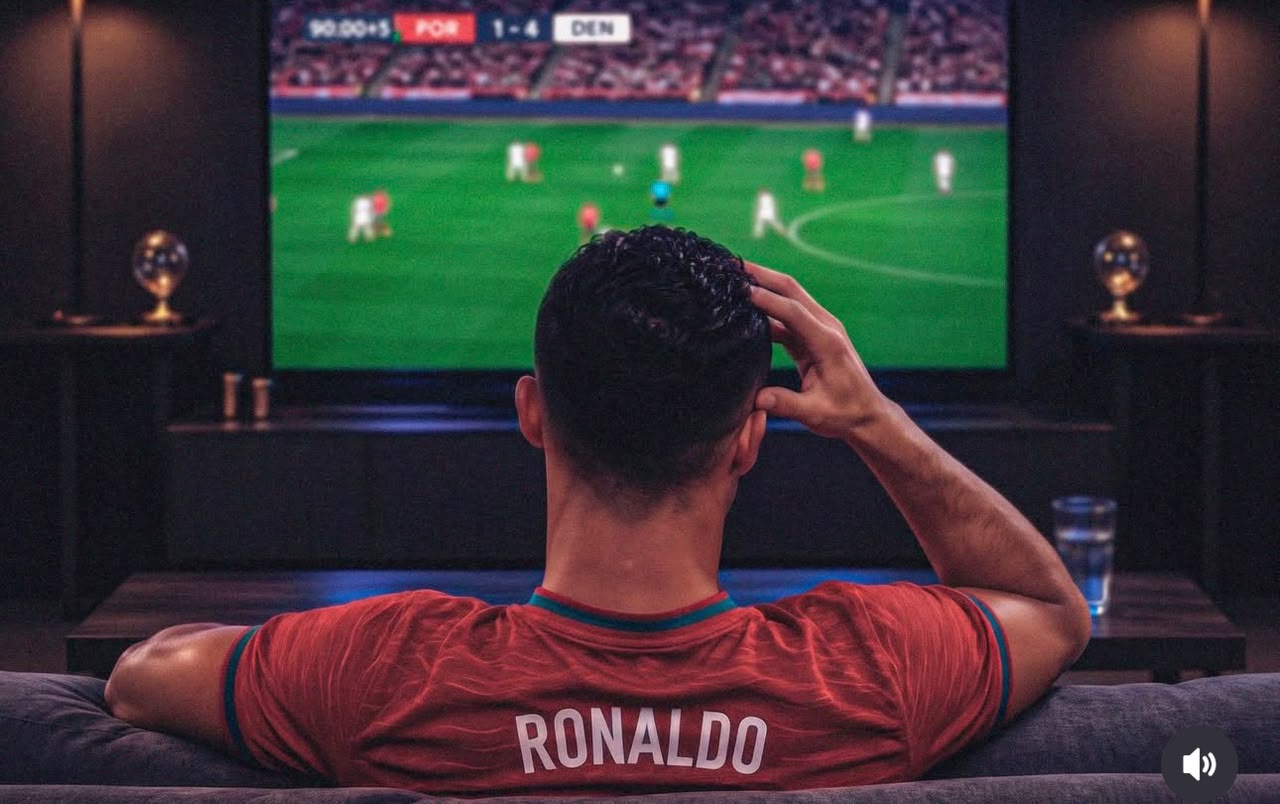
Portugal’s first major night without Cristiano Ronaldo was supposed to celebrate the legacy of a player who carried the national team for more than two decades. Instead, it became a painful reminder of how much responsibility now rests on the shoulders of those expected to lead the country into its next chapter.
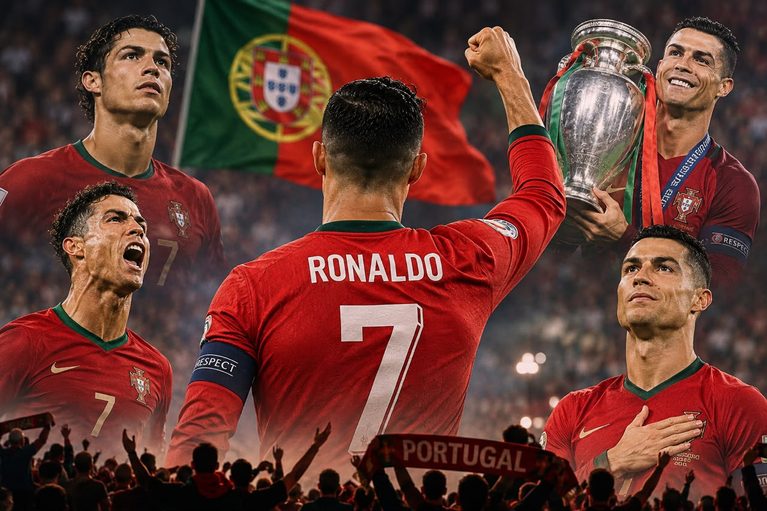
Denmark beat Portugal 4–1 in Braga on Saturday, November 14, handing the hosts their heaviest defeat in a competitive home match. The occasion had been prepared as a tribute to Ronaldo, with Portugal’s players wearing the famous No. 7 shirt in his honour. Supporters also paid tribute to the former captain, whose international career ended with 234 appearances and 146 goals.
But while the shirts carried the number of a legend, the performance on the pitch offered little of the authority associated with him.
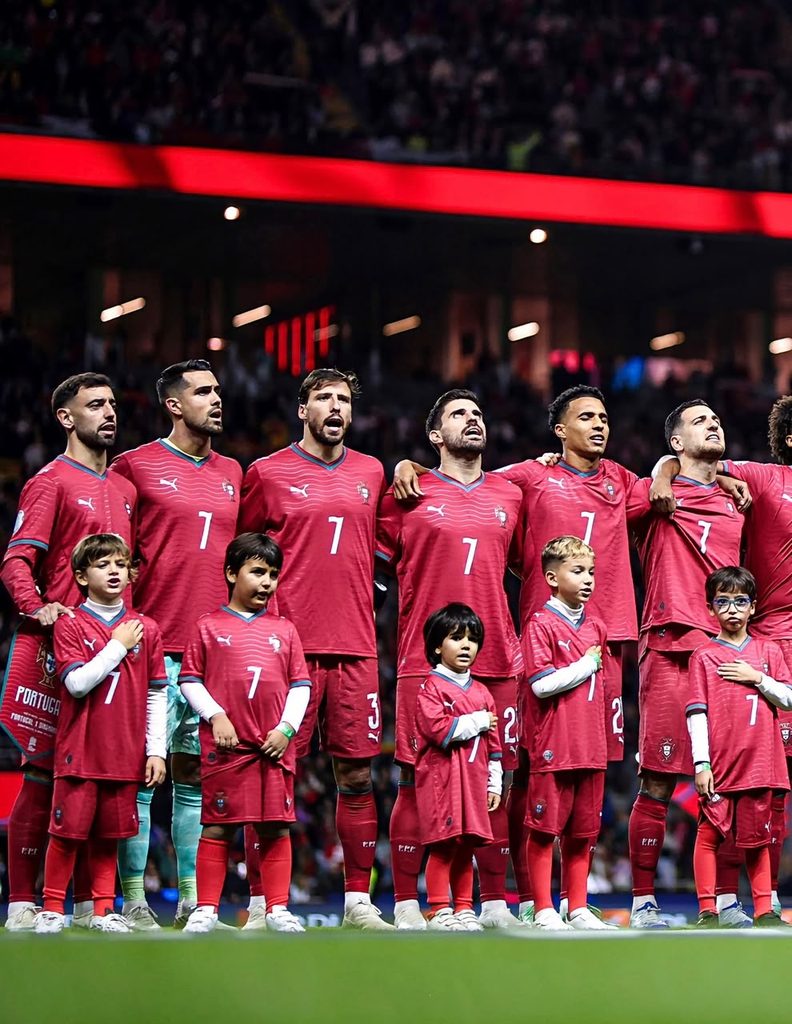
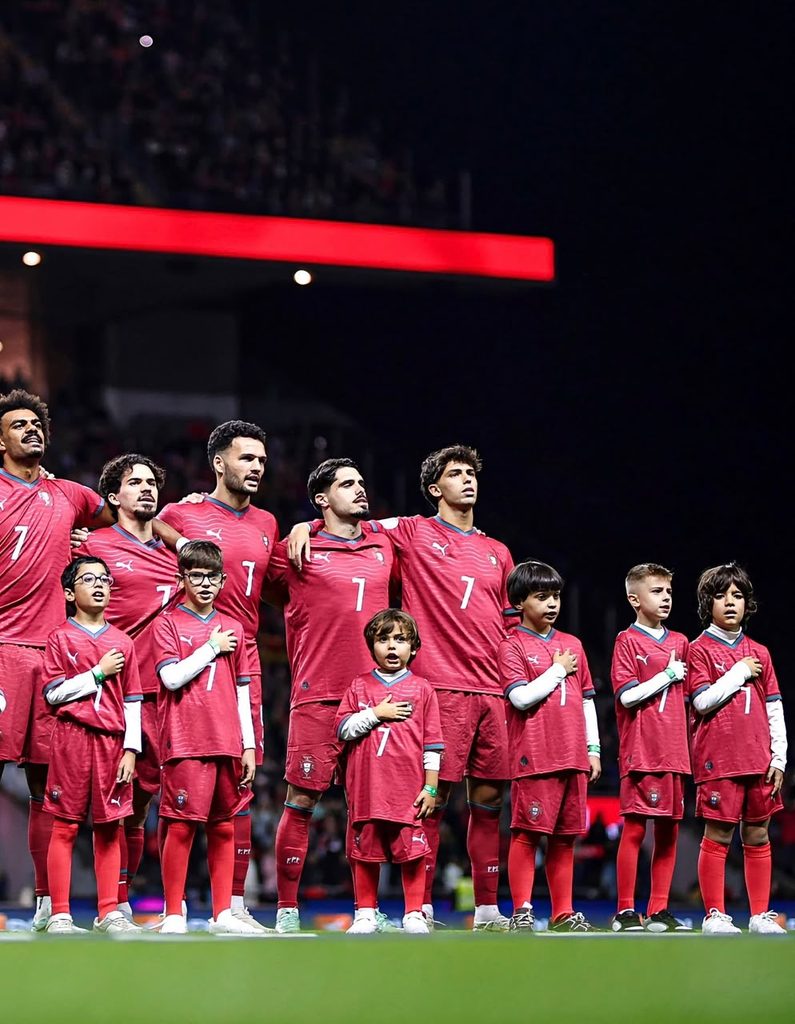
Pierre-Emile Højbjerg opened the scoring from the penalty spot shortly before half-time. Rasmus Højlund then took control of the evening, scoring twice after the break before Joachim Andersen added Denmark’s fourth. Bernardo Silva eventually scored a late consolation, but it did little to change the story of a night Portugal would rather forget.
The result also brought back an uncomfortable piece of history. The last time Portugal conceded four goals at home was on September 3, 2010, when they drew 4–4 with Cyprus in Guimarães. That match at least ended with Portugal collecting a point. Against Denmark, they conceded four again, but this time left the pitch beaten.
Saturday’s defeat was not simply another bad result. It was Portugal’s biggest loss in a competitive match on home soil and a particularly difficult outcome for a team beginning life without its most recognisable figure.
Højlund: The Ronaldo admirer who spoiled the tribute
There was an extra layer to Højlund’s performance. The Danish striker has openly admired Ronaldo for years, and his celebration against Portugal on October 1 had already attracted attention when he performed the Portuguese forward’s famous “Siuuu” after scoring in Denmark’s 4–2 defeat.
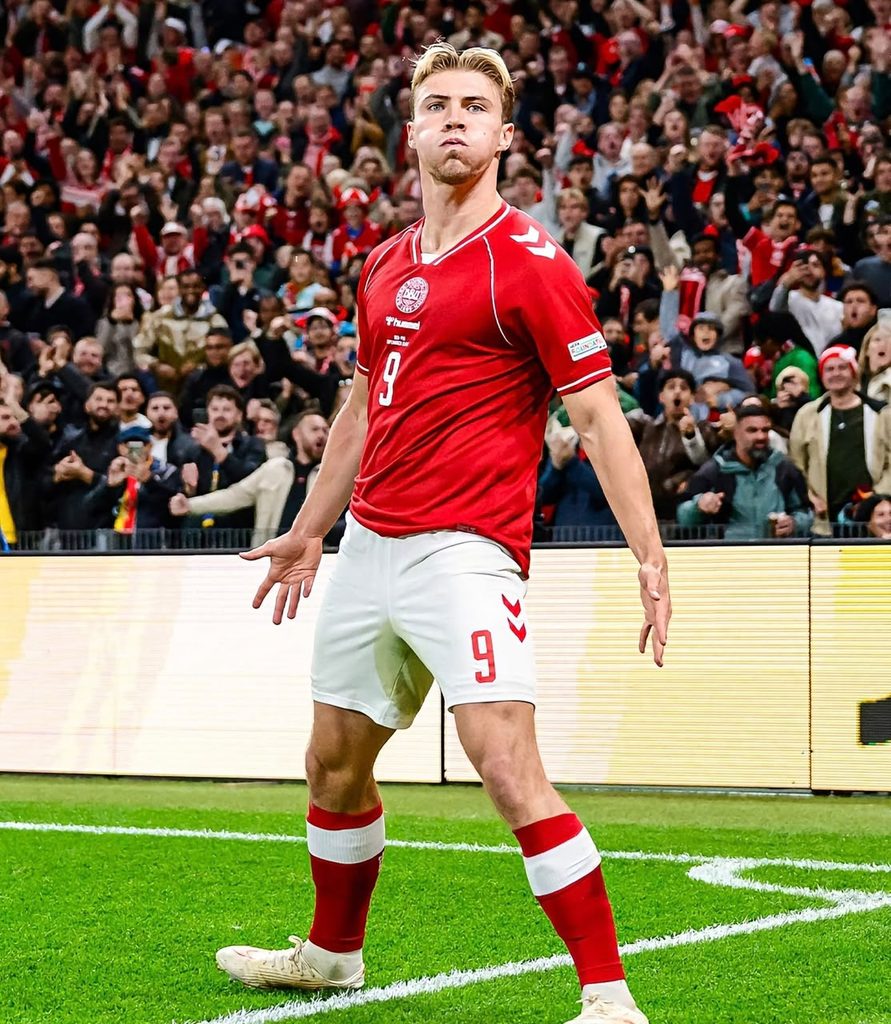
That gesture made his performance in Braga even more striking. On a night when Portugal were honouring Ronaldo, the player who idolises him became one of the main reasons the celebration turned into a humiliation.
Højlund scored twice, giving Denmark the attacking threat Portugal struggled to contain. His brace was not just a personal achievement; it also exposed the difference between paying tribute to a great player and producing the kind of performance that made him great.
The symbolism was difficult to miss. Portugal had the No. 7 shirts, the banners and the memories. Denmark had Højlund, who delivered when the match demanded it.
Gonçalo Ramos had 90 minutes, but what did Portugal get?
Gonçalo Ramos was among the players expected to carry the attacking responsibility in Ronaldo’s absence. He had previously spoken about wanting to establish himself as a starter for the national team, making this match an opportunity to demonstrate what he could offer.
However, his individual figures from the Denmark match make uncomfortable reading. Ramos played all 90 minutes but finished without a goal or assist. He recorded no shots on target, no shots off target, created no chances and completed none of his attempted dribbles. His passing record was 12 accurate passes from 17 attempts, while he had 22 touches throughout the match.
Those numbers do not tell the entire story of a striker’s contribution, but they do show how little attacking influence he managed to produce during a match in which Portugal needed someone to step forward.
A forward does not have to score in every match to justify his place. He can contribute through movement, link-up play, pressing and creating space for others. But when a striker plays the full 90 minutes without registering a single attempt on goal or creating a chance, questions about his impact are reasonable.
Ramos had an opportunity to make a statement. Instead, Denmark’s defence kept him quiet.
João Neves and the competition for places
João Neves is another player whose role deserves attention as Portugal move forward. His quality is not in question, but his place in the starting eleven cannot be treated as guaranteed simply because of his reputation or club status.
The competition in midfield is becoming increasingly difficult. Rúben Neves is back in the national-team picture, while João Palhinha offers another option in the defensive midfield role. Vitinha, Neves’ Paris Saint-Germain teammate, is also competing for central midfield responsibilities.
There is also the possibility of João Neves being considered in a deeper role or even being tested at right-back, depending on the coach’s needs and the availability of Diogo Dalot and João Cancelo. Those are possibilities rather than established plans, but they illustrate how many decisions Portugal’s coaching staff must make.
His recent involvement also gives the debate some context. Neves was on the bench against Norway on October 4 and played only nine minutes against Denmark on October 1, according to the match record supplied. He featured for 58 minutes for Paris Saint-Germain against Le Mans on October 10, but club appearances do not automatically guarantee a starting position for Portugal.
The question is not whether Neves is a talented footballer. It is where he fits, what role the coach wants him to perform and whether he can secure a regular place in a midfield with several established alternatives.
For a player who has been widely discussed as part of Portugal’s future, the challenge is to turn that promise into consistent involvement.
The team wanted to move forward. Now it must prove it can.
There is nothing wrong with Portugal preparing for a future without Ronaldo. Every national team eventually has to move beyond its greatest generation, and no player can remain available forever. The question is how that transition is handled.
Ronaldo’s departure leaves a gap in goals, leadership, experience and the psychological presence he brought to the team. Those qualities cannot simply be transferred to another player because he inherits a shirt number or takes up a position in the starting eleven.
Portugal still have talented players, and one defeat does not erase their achievements or determine what the team will become. They had already secured a place in the Nations League quarter-finals before facing Denmark and remain top of their group despite the result.
But the performance in Braga should be examined honestly. Denmark scored four times, while Portugal’s attacking players struggled to turn their possession and opportunities into goals. The hosts had more possession and more shots on target, yet Denmark were far more effective in front of goal.
The players who now carry the responsibility must show that Portugal can remain competitive without relying on the presence of one extraordinary individual. That means producing results, accepting competition for places and delivering when the pressure is greatest.
There is an old saying that a lion’s roar is enough to scatter the jackals. Another says that even a sleeping lion commands respect. Portugal may now discover that the respect attached to Ronaldo’s name cannot be inherited automatically. It has to be earned on the pitch.



Comments0 ShowHide