
For many social media users, Twitter was more than just an app. It was the place where breaking news travelled quickly, conversations unfolded in real time, jokes became global trends and people built communities around shared interests. Even after Elon Musk acquired the platform and rebranded it as X in 2023, many users continued calling it Twitter, holding on to a name and experience they had grown accustomed to.
Now, a new platform is attempting to revive some of that familiarity. But while the idea of bringing back the old Twitter experience may appeal to people who miss the platform’s earlier identity, its approach raises another question: are users willing to pay for a new social network and start building their online communities all over again?
The platform, called Tweet.app, is being developed by Operation Bluebird, a company that has presented its project as an effort to rebuild the public square around trust, user control and real conversation. It offers familiar features such as posting, replying, reposting, following accounts and exploring topics, while promising a different approach to advertising, algorithms and the spread of misleading content.
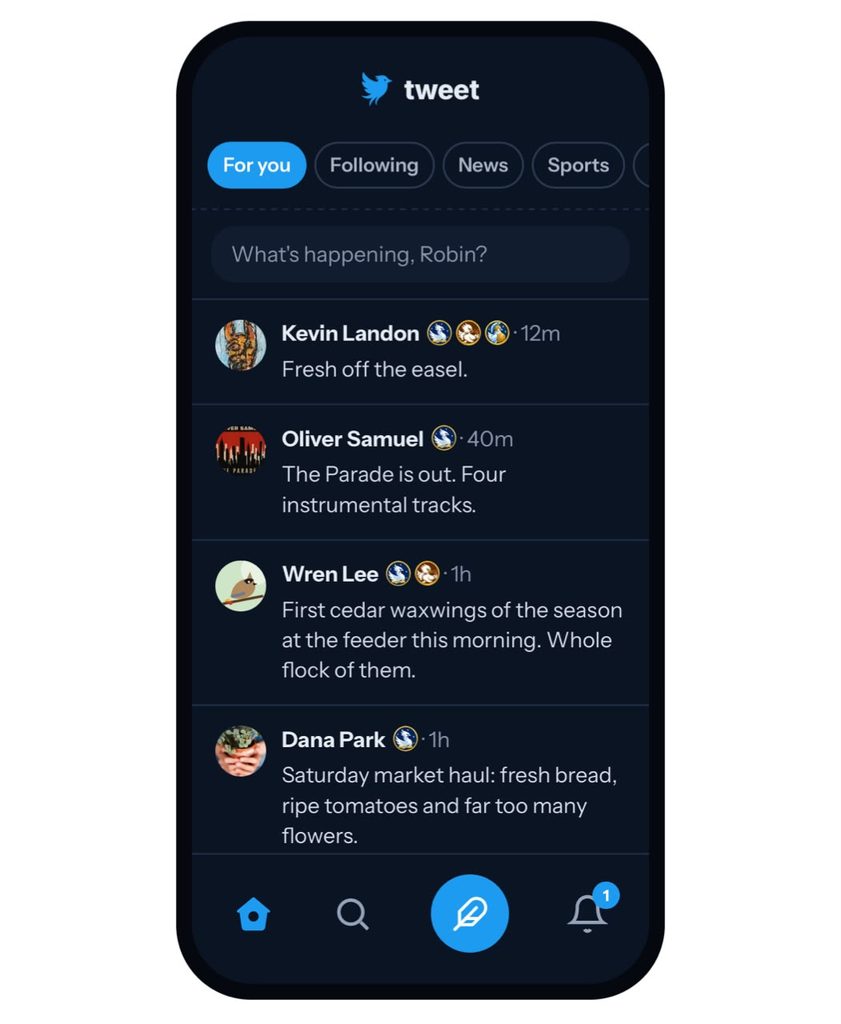
Operation Bluebird initially attempted to launch the service under the name Twitter. now. That plan ran into a legal challenge from X Corp., which argued that it continued to own the Twitter trademarks. In a September 3, 2026 ruling, a federal judge in Delaware granted X’s request to prevent Operation Bluebird from using the Twitter name and related marks, but declined to block its use of the word “Tweet” and the former Twitter bird logo at the preliminary stage of the case. The company subsequently adopted the name Tweet.app. The trademark dispute has not been finally resolved.
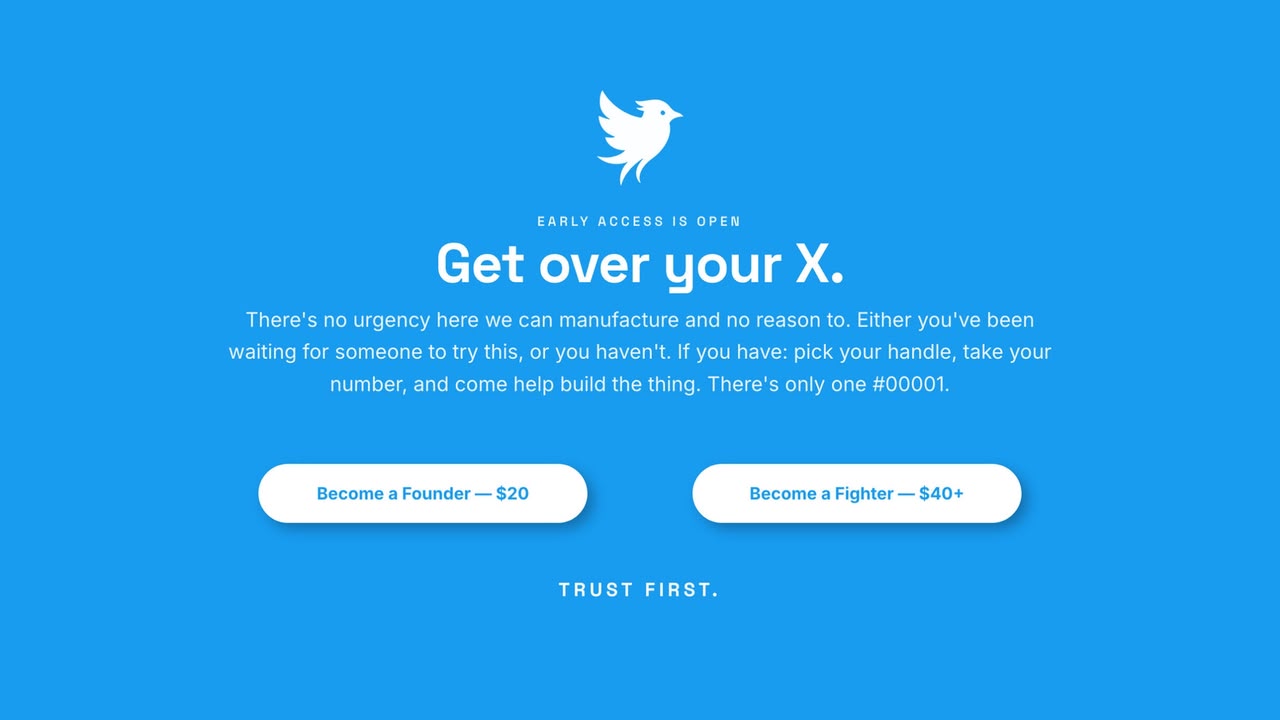
The platform is now inviting people to join through a paid early-access membership programme. Its website lists a Founder membership at $20, a Fighter tier at $40 and a Centurion tier at $100. The company says the payments support development and help fund its legal battle, while allowing it to operate without relying on advertising revenue. It argues that a membership-funded model gives the platform an incentive to serve its users rather than advertisers.
However, the decision to charge people to join is also one of the biggest obstacles the new platform could face.
Reactions shared by users on X illustrate the difficulty. Some expressed excitement about the possibility of returning to a Twitter-like environment, with one user saying they would leave their current platform and create an account on a service offering the old experience. Others questioned why they should move to another network, while several insisted that they would continue calling X Twitter regardless of its current name.
One particularly critical user, who said they had signed up to test Tweet.app, described the experience as disappointing. They complained about service interruptions, the requirement to pay for access, concerns about having to renew membership and limitations when handling videos and images. These are individual user experiences rather than an independent assessment of the platform, but they highlight the kind of concerns a new social network must address if it hopes to attract people beyond its earliest supporters.
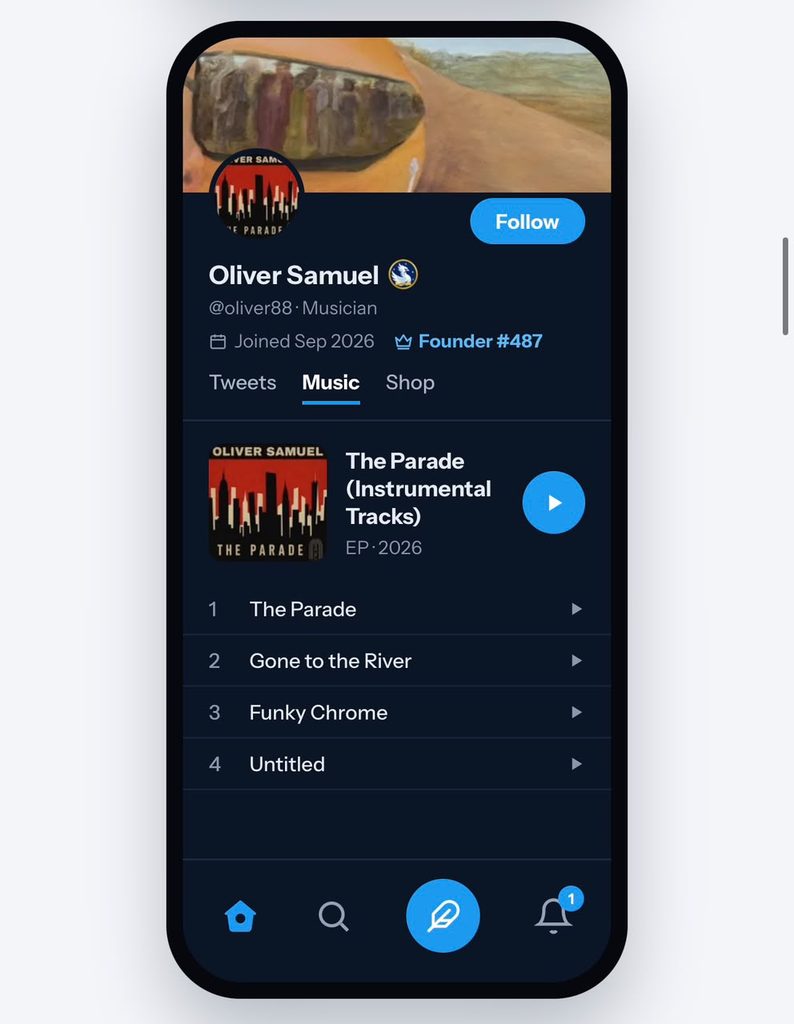
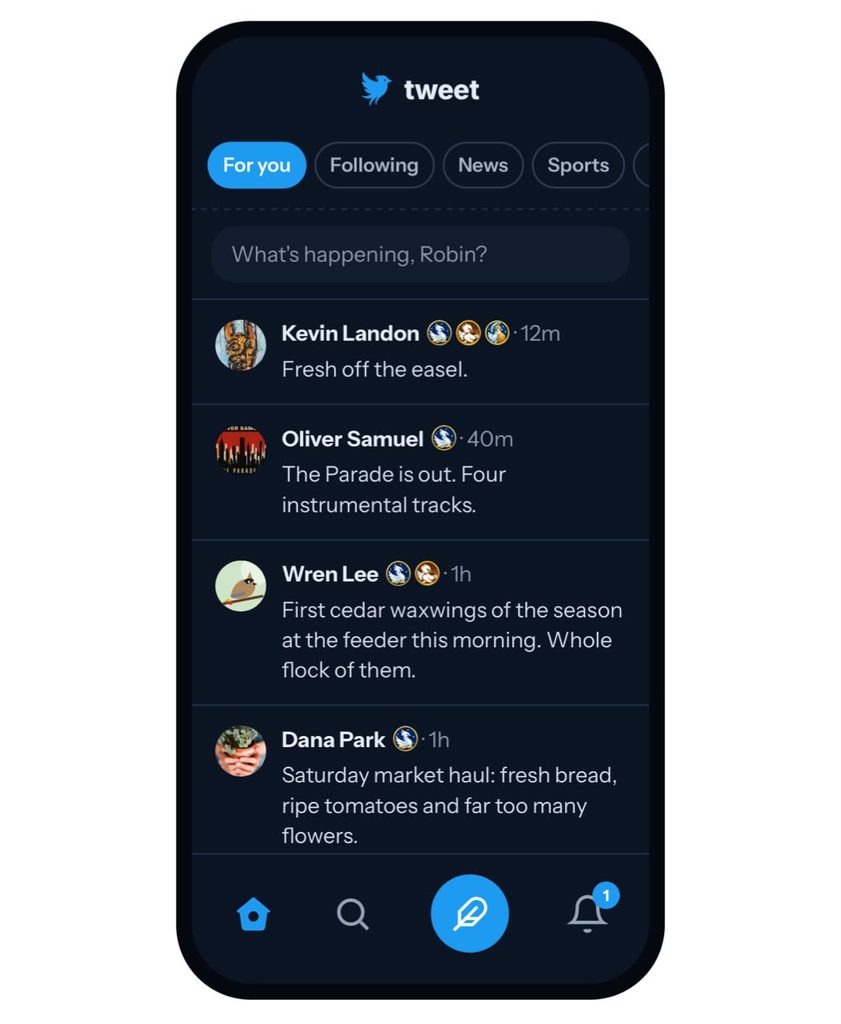
There is also the question of what happens after someone pays. Tweet.app’s current website says the platform is moving towards monthly or yearly paid memberships as it expands, with existing early supporters receiving membership periods tied to the tier they purchased. Founder members are promised one year, Fighters two years and Centurions lifetime membership. The company says its browser version is available now, with an Android application planned for early November 2026 and an iPhone application to follow.
The company also has ambitions beyond simply recreating the familiar appearance of Twitter. Its roadmap includes features such as Vera, a system intended to provide sources and context around certain claims, alongside tools that would give users greater control over what appears in their feeds. However, the company acknowledges that some of these features are still being developed and are not yet available.
Operation Bluebird says more than 175,000 handles have been requested. That figure suggests considerable curiosity about the project, but it should not be confused with 175,000 active users or paying members. Reserving a username is not the same as regularly using a platform, and the real test will be whether those interested in the idea become an active community.
That distinction matters because social networks do not succeed on their features alone. They depend on people being present. Users may appreciate a cleaner interface, dislike certain changes on X or miss the culture of the original Twitter, but they also want to find their friends, favourite creators, journalists, public figures and communities in one place. Convincing them to abandon an established network means asking them to leave behind years of connections and rebuild those relationships elsewhere.
There is a further challenge in persuading people to pay for something they have become accustomed to accessing for free. Tweet.app’s argument is that free social media comes at a cost: users’ attention and personal data help sustain advertising-driven businesses. Its membership model is an attempt to offer an alternative. Whether enough people agree that the alternative is worth paying for remains to be seen.
Ultimately, Tweet.app is competing with more than X. It is competing with habit, convenience, existing communities and the reluctance of users to keep creating accounts on new platforms whenever another company promises a better experience.
People may miss the old Twitter. They may still call X by its former name, remember the blue bird and wish some of the platform’s earlier culture had survived. But nostalgia does not automatically translate into subscriptions, and a familiar-looking timeline cannot guarantee that the people who made the original Twitter special will move with it.
For Operation Bluebird, the challenge is no longer simply convincing people that the old Twitter experience is worth bringing back. It is convincing them that Tweet.app is worth joining, paying for and staying on.









Comments0 ShowHide