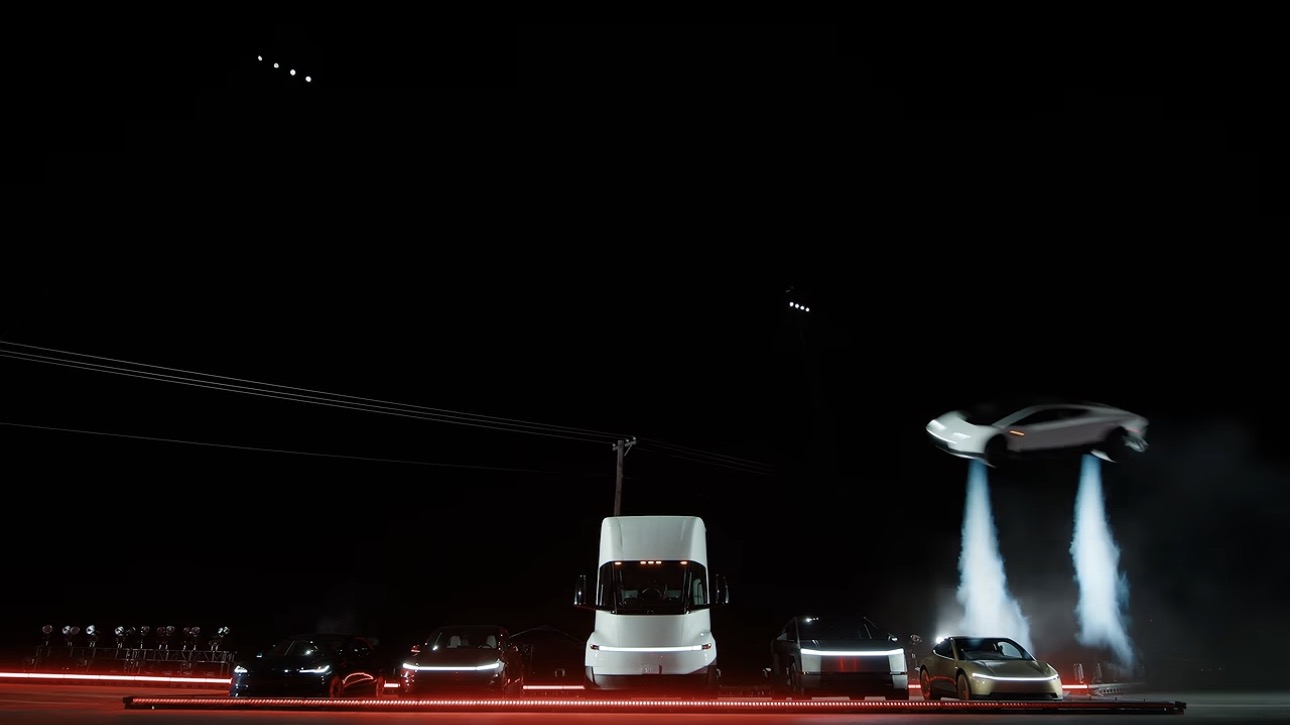
Tesla has unveiled its long-awaited next-generation Roadster in a dramatic demonstration that saw the electric sports car drive upside down, flip through the air and jump over other vehicles, bringing fresh attention to Elon Musk’s ambitions to combine automotive engineering with technology developed by his aerospace company, SpaceX.
The unveiling took place in Texas on October 15, nearly nine years after Tesla first presented the second-generation Roadster in 2017. The demonstration featured a white prototype using a combination of an underbody suction system and rocket-style thrusters to perform manoeuvres that would be impossible for a conventional road car.
In one of the most striking sequences, the Roadster travelled up a curved ramp and continued along an inverted section before leaving the structure, turning in mid-air and landing on the ground. In another demonstration, it lifted over a row of Tesla vehicles, twisting as it passed above them. The footage offers a glimpse of the engineering Tesla is attempting, although the company has not established that these stunts can be performed safely in ordinary road conditions.
The technology behind the demonstration draws on collaboration between Tesla and SpaceX. The Roadster uses cold-gas thrusters designed to produce controlled bursts of force, while a fan-based suction system helps it remain attached to a specially designed track during the upside-down sequence. Together, the systems allow the prototype to perform brief aerial manoeuvres rather than fly like an aircraft over long distances.
Tesla also presented ambitious performance figures. Company engineers said the Roadster could accelerate from zero to 60 miles per hour in less than one second, reach a top speed exceeding 230 miles per hour and travel more than 300 miles on a single charge. These are manufacturer claims, and the final production model will need to demonstrate its performance under appropriate testing conditions.
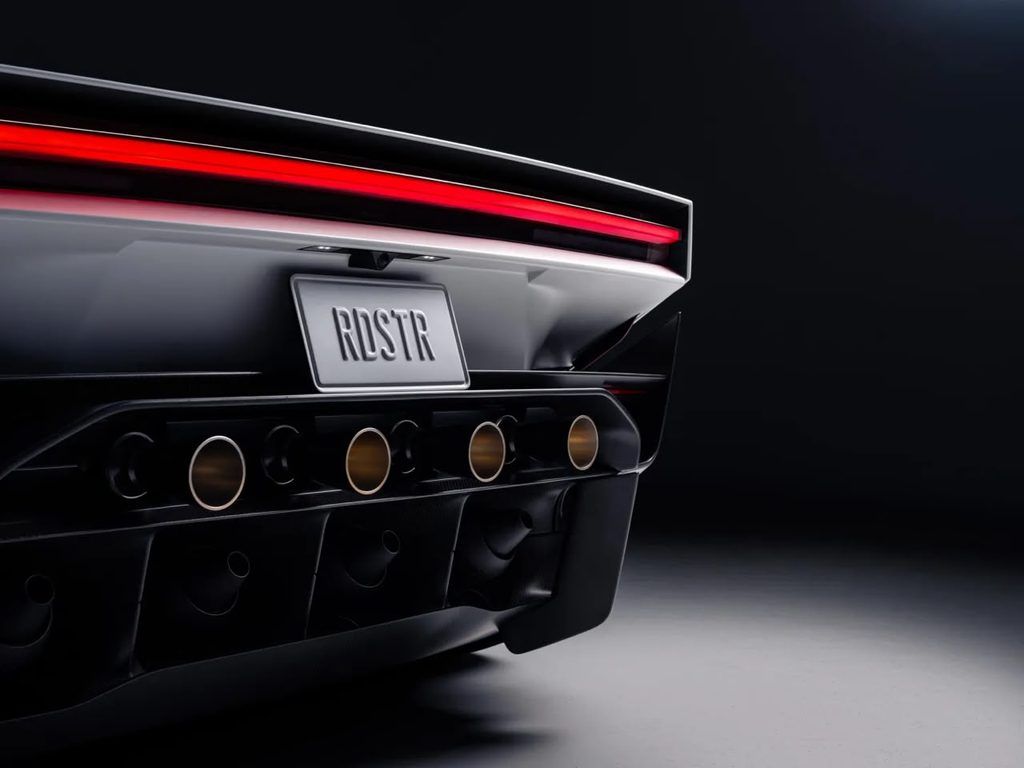
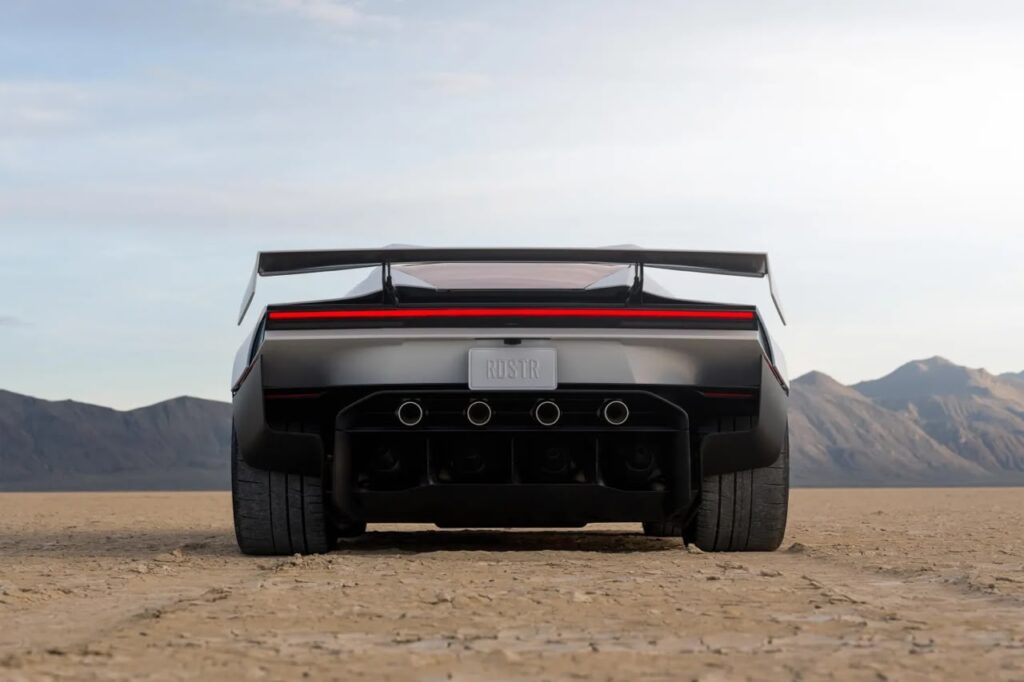
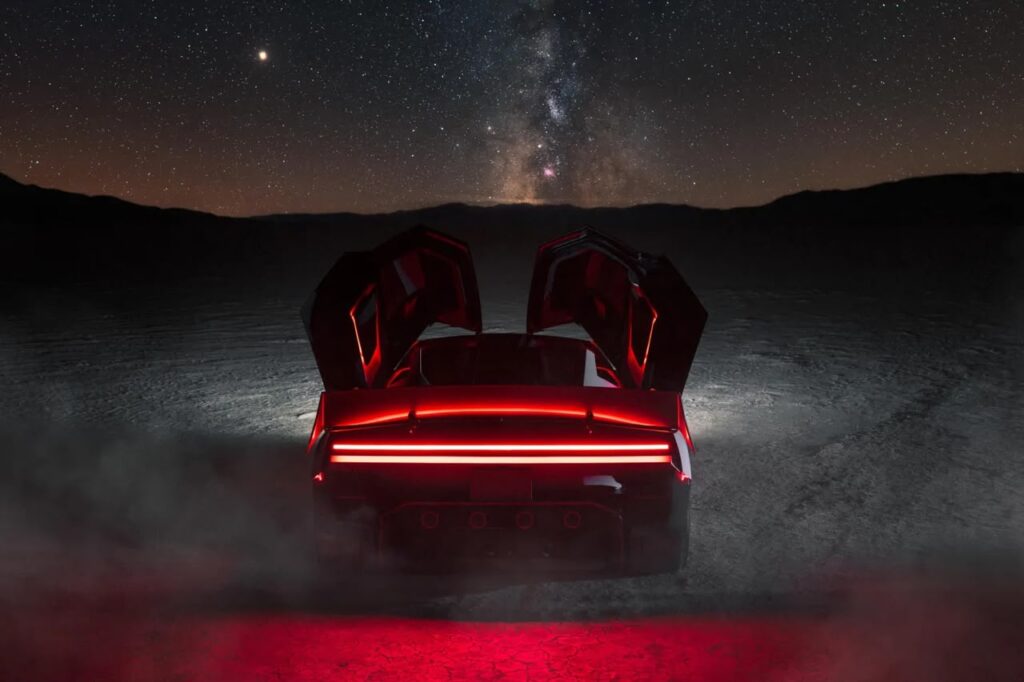
The exterior design is built around a low-slung, aerodynamic sports-car shape. The prototype shown at the unveiling was configured as a two-seater, with its body designed to accommodate the specialised systems required for the demonstration. The thrusters and suction technology distinguish it from a conventional electric supercar, although Tesla has yet to provide a complete public specification of every component expected to appear in the production vehicle.
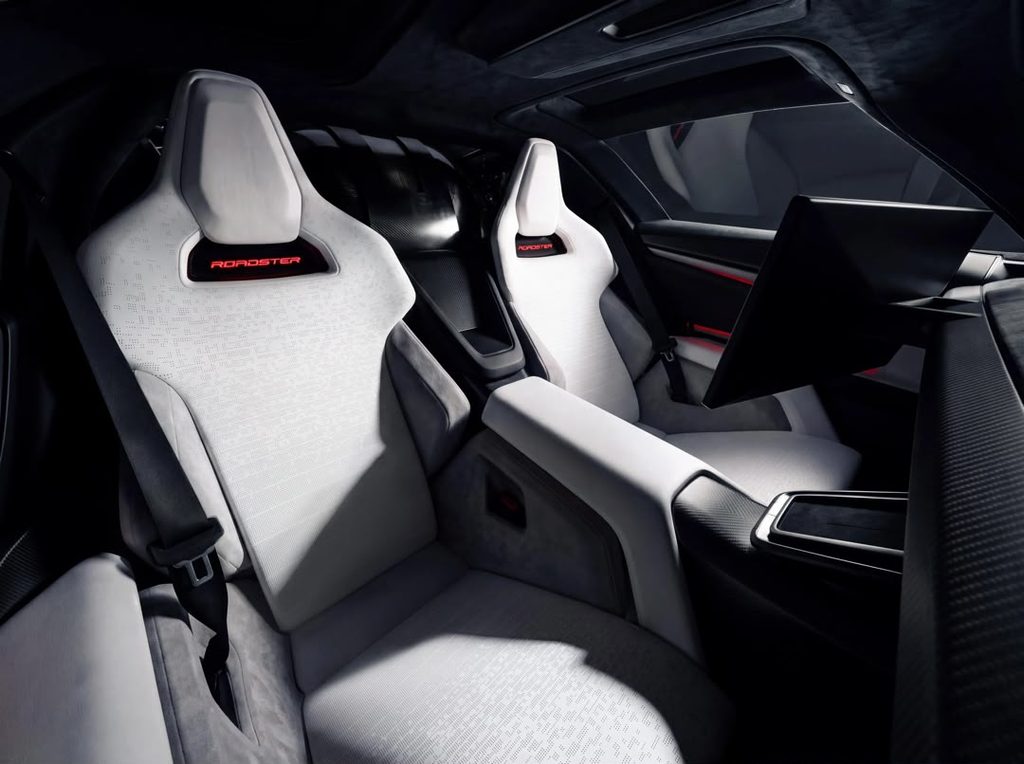
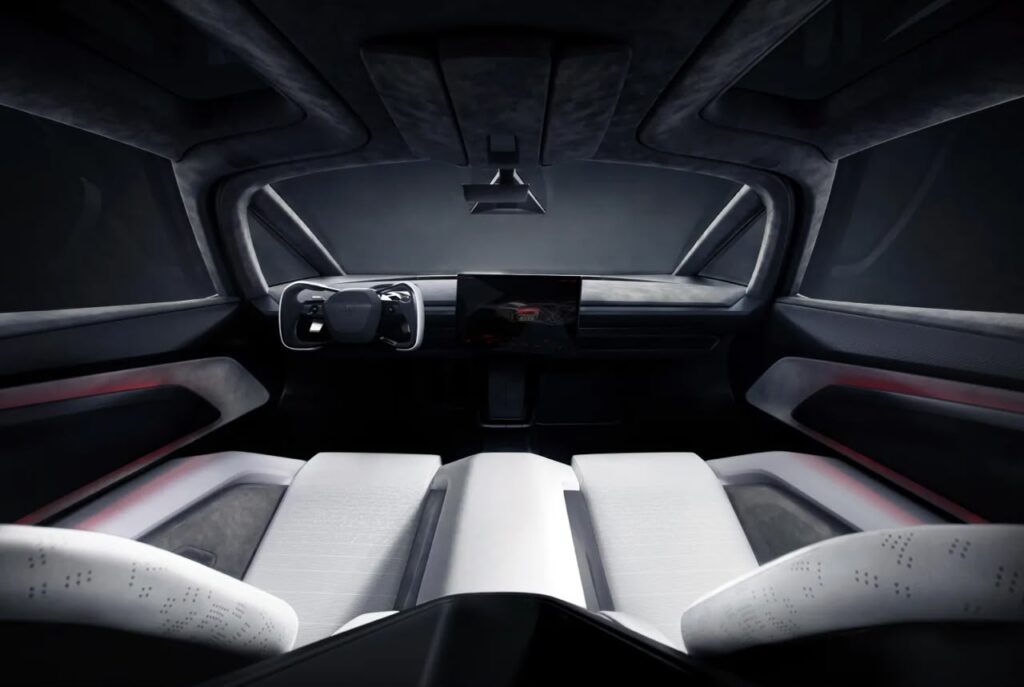
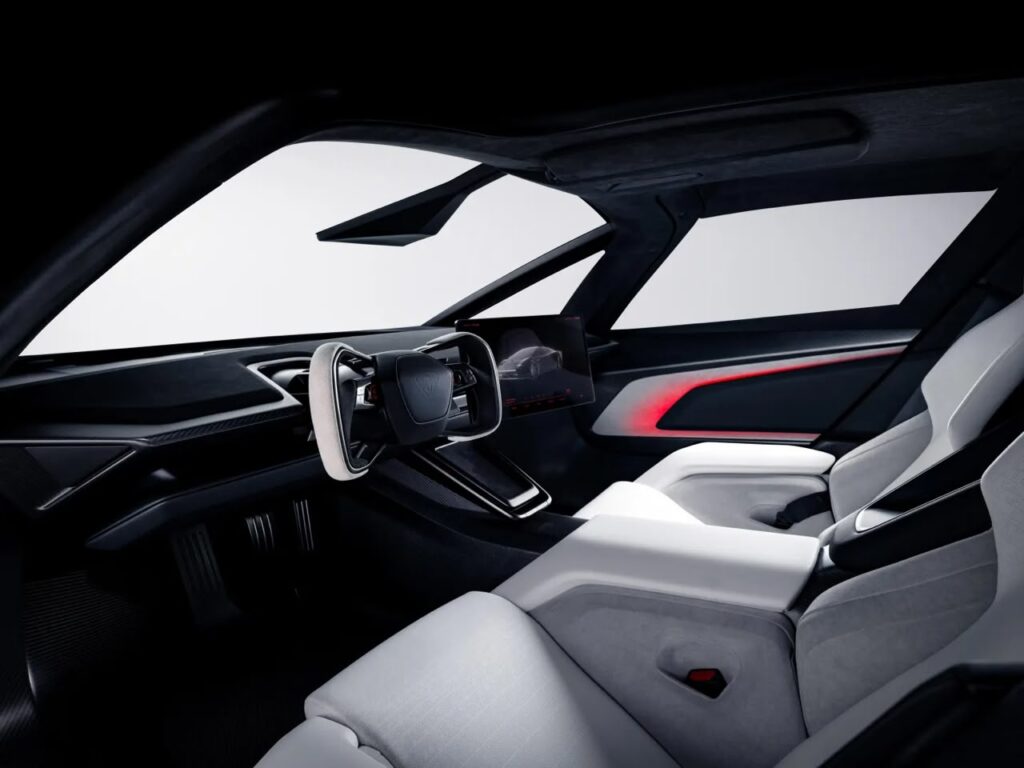
Details of the cabin and its final equipment remain limited. The unveiling concentrated primarily on the vehicle’s performance and unusual manoeuvres rather than a comprehensive presentation of its interior. Tesla has not yet published a complete production specification covering the finished cabin, driver-assistance equipment, safety systems and other features that buyers would need to assess before purchasing the car.
That distinction is important because the demonstration should not be confused with the arrival of a new generation of vehicles proven to prevent road accidents. The Roadster’s ability to jump over other cars during a controlled display does not show that it can independently identify collision risks and avoid them in everyday traffic. Those capabilities would require separate evidence about its sensors, software, braking, steering, driver-assistance functions and performance in real-world conditions.
The stunt nevertheless raises interesting questions about the future of vehicle control. Technologies capable of making rapid, precise adjustments to a vehicle’s position could have specialised applications, but the Roadster’s aerial demonstration alone does not establish that its thrusters or suction system will improve road safety. For ordinary drivers, the more relevant test will be how reliably the production car handles braking, steering, obstacles and emergency situations within the limits of road regulations.
The unveiling has also renewed speculation about a possible merger between Tesla and SpaceX. The two companies already share a close connection through Musk, who leads both businesses, and the Roadster provides a highly visible example of their engineering collaboration. Some analysts and market observers have interpreted the event as part of a wider effort to make the case for bringing the companies closer together.
The timing has attracted attention because reports of a potential Tesla–SpaceX combination have circulated among investors. Reuters reported that some observers viewed the Roadster presentation as a way to generate interest in a merger, while financial publication Barron’s reported that investors were speculating about a possible deal. Neither report establishes that the Roadster was unveiled specifically to prepare the public for a merger, and no completed transaction has been announced.
A combination would raise substantial financial, corporate-governance and regulatory questions because Tesla and SpaceX operate in different industries and have distinct shareholders, assets and obligations. Shared leadership and technical cooperation do not, by themselves, mean that a merger is inevitable. For now, the relationship between the Roadster demonstration and any possible corporate transaction remains an interpretation of events rather than a confirmed strategy.
For Tesla, the Roadster also serves as a showcase for its engineering ambitions after years of delays. Musk said production is expected to begin in 2028, meaning customers will have to wait further before the vehicle becomes available as a production car. Tesla has not announced a final overall price for the new model, although its reservation page lists deposits for different versions, including a Performance model and a Thrust model equipped with acceleration thrusters. A more specialised Rocket version is described as an invitation-only, single-seat configuration with a full flight system.
The gap between an extraordinary prototype demonstration and a commercially available car remains significant. Tesla must still deliver a production vehicle, clarify its final specifications, establish what the specialised technology can safely do and meet the applicable requirements for road use. The company’s claims about performance and future availability should therefore be judged against the finished product rather than the spectacle of its unveiling.