
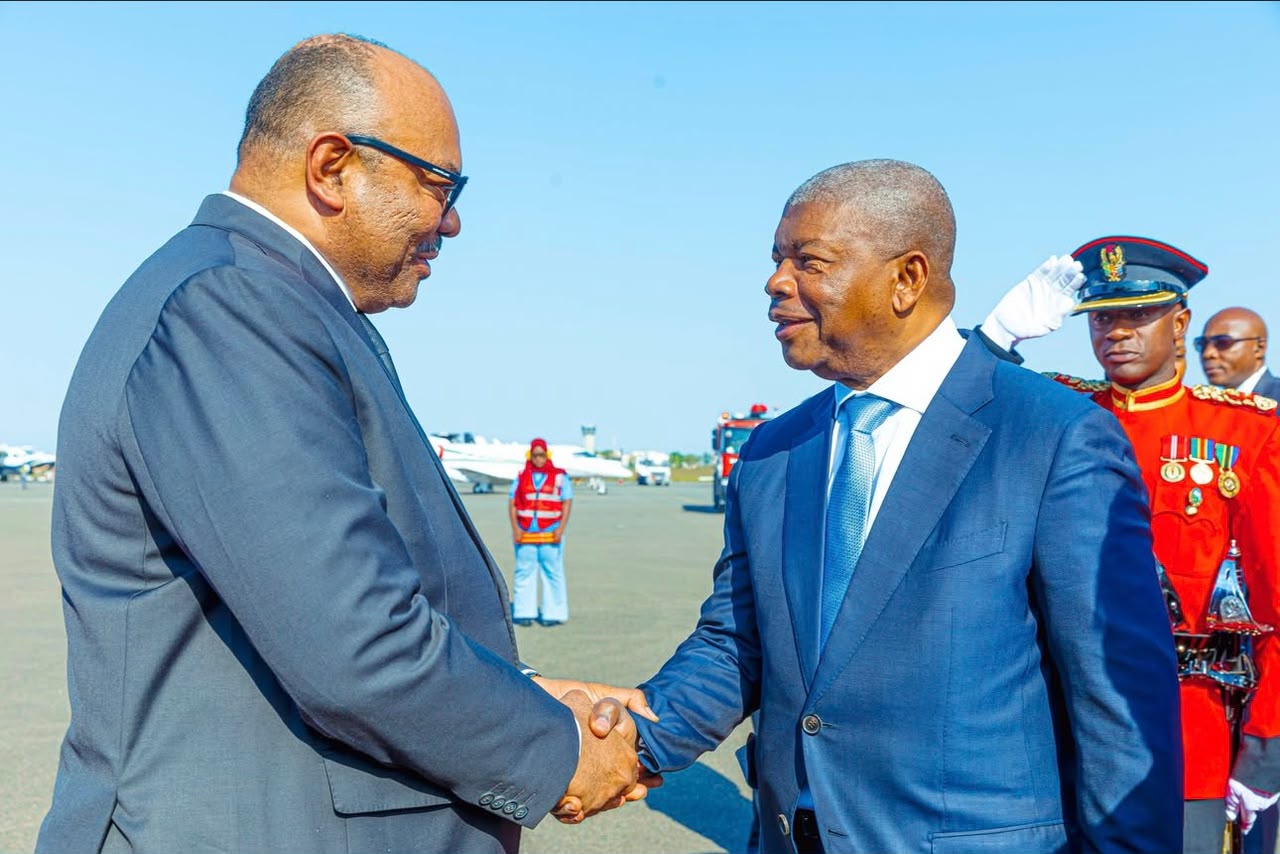
Angolan President João Manuel Gonçalves Lourenço is in Tanzania for a state visit expected to strengthen cooperation between the two countries, with trade, investment, infrastructure, energy and other economic sectors among the areas under discussion.
Lourenço arrived in Dar es Salaam on October 28 at the invitation of President Samia Suluhu Hassan. The official programme includes talks between the two leaders, the signing of cooperation agreements and a visit to Dodoma, where Lourenço is expected to join Samia for the inauguration of the Government City at Mtumba on October 30. The visit follows an announcement by Tanzania’s Ministry of Foreign Affairs describing the engagement as an opportunity to expand bilateral relations and reaffirm commitments to regional peace, security and integration.
The meeting allows the two governments to assess how their long-standing diplomatic relationship can translate into more practical economic cooperation. Tanzania has access to the Indian Ocean and serves as an important transport gateway for several landlocked countries, while Angola is a major oil producer on Africa’s Atlantic coast. Both countries have reasons to explore new partnerships in transport, energy, agriculture and trade as African governments seek to expand commercial links within the continent.
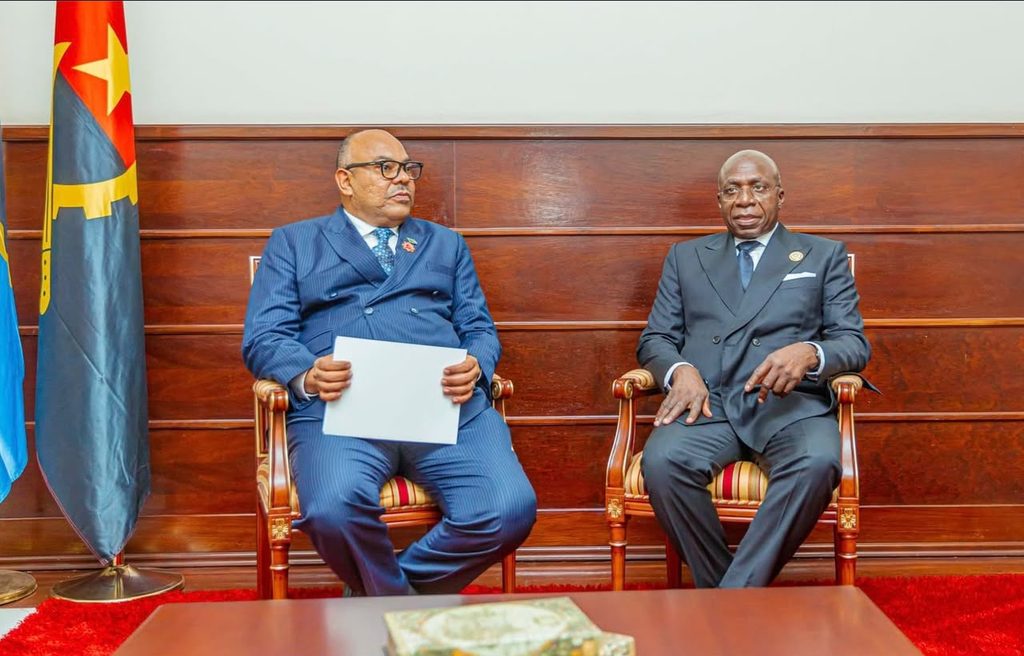
According to the Tanzanian government’s announcement, the talks are expected to cover a broad range of sectors, including oil and gas, minerals, transport, agriculture, health, education, tourism, technology and digital communications. The two sides are also expected to explore opportunities for trade and investment, although the precise commitments will depend on the agreements signed and how they are implemented.
Angolan state media have likewise reported that the visit is intended to deepen political, diplomatic and economic relations. Angola’s official news agency said the programme includes the signing of new cooperation instruments, while other Angolan reporting has highlighted the potential for the two countries to explore strategic logistics projects, including the Lobito Corridor.
The corridor is an important part of Angola’s plans to improve the movement of goods from its Atlantic coast towards mineral-producing areas in the Democratic Republic of the Congo and Zambia. Tanzania, meanwhile, has its own strategic transport links through the Port of Dar es Salaam and the Central Corridor, which connects the coast with inland markets. The corridors serve different routes, but discussions about logistics and regional trade could create opportunities for cooperation on transport services, investment and connections between African markets.
Whether those possibilities produce new commercial projects will depend on the details of any agreements and the ability of businesses and public institutions to carry them out. Announcements of cooperation can establish a framework, but sustained trade growth requires reliable infrastructure, clear regulations, financing and regular commercial exchanges.
Energy is another potential area of common interest. Angola has a well-established petroleum industry and significant experience in oil production, while Tanzania has been developing its natural gas sector and pursuing plans intended to expand the role of gas in its economy. The two countries have different energy profiles, but technical cooperation, investment links and the exchange of industry expertise could feature in wider discussions about their economic relationship.
Agriculture, tourism and digital services also offer possibilities for cooperation. Tanzania has a substantial tourism industry and agricultural production base, while Angola has been working to diversify its economy beyond oil. Partnerships in these sectors could support private businesses and create opportunities for companies seeking to expand into other African markets. The scale of any benefits, however, will depend on whether the governments and private sector identify specific projects rather than relying solely on broad commitments.
The visit also carries historical significance. Tanzania and Angola developed close ties during the liberation struggles in southern Africa, when Tanzania under founding president Julius Nyerere supported African movements fighting colonial and minority-rule governments. Angola’s independence struggle was led by the Popular Movement for the Liberation of Angola, or MPLA, under António Agostinho Neto, who became the country’s first president after independence in 1975.
The two countries’ shared history has helped maintain diplomatic ties across successive governments. The Tanzanian government described Lourenço’s visit as the first state visit by an Angolan president to Tanzania since 1979, framing the occasion as a continuation of a relationship rooted in solidarity during the liberation era.
That historical relationship now faces a different test. While political solidarity helped establish close ties decades ago, the current priority is to identify areas where cooperation can generate measurable economic results. The visit provides a platform for both governments to discuss those priorities and establish formal mechanisms for future work.
Lourenço’s programme also includes the inauguration of the Government City at Mtumba, in Dodoma. The complex is intended to consolidate government institutions in Tanzania’s political capital, improve coordination between ministries and support public-service delivery. The project forms part of Tanzania’s longer-term shift of government operations to Dodoma, a process that has been under way for years.
The Government City project represents a major investment in public infrastructure. The Citizen reported that the government has invested approximately 700 billion Tanzanian shillings in the complex, which includes ministry offices, supporting infrastructure and digital communication systems. The planned inauguration on October 30 follows the postponement of an earlier ceremony.
For Tanzania, the event is an opportunity to showcase a major national development to a visiting head of state and to underline Dodoma’s role as the country’s administrative centre. For Angola, the visit provides a chance to see the project and discuss broader questions of public infrastructure and institutional development within the framework of bilateral relations.
The two presidents’ talks are also taking place within a wider African effort to increase trade between countries on the continent. The African Continental Free Trade Area aims to reduce barriers to trade and create a larger market for African goods and services. But differences in infrastructure, production capacity and trade rules continue to limit the movement of goods between many African economies.
Stronger bilateral agreements can help address some of those obstacles, particularly when they lead to practical arrangements for businesses, transport operators and investors. For Tanzania and Angola, the immediate measure of progress will be whether the visit produces concrete agreements, follow-up mechanisms and projects that move beyond diplomatic declarations.
The visit is scheduled to conclude on October 30, when Lourenço is expected to attend the Government City inauguration in Dodoma before returning to Angola. The outcome of the official talks and the details of any agreements signed will provide a clearer indication of the direction the two governments intend to take.
 Angola
 Tanzania





Comments0 ShowHide