Health & Fitness
Kenya Confirms Second Ebola Case After Patient Develops Symptoms in Quarantine
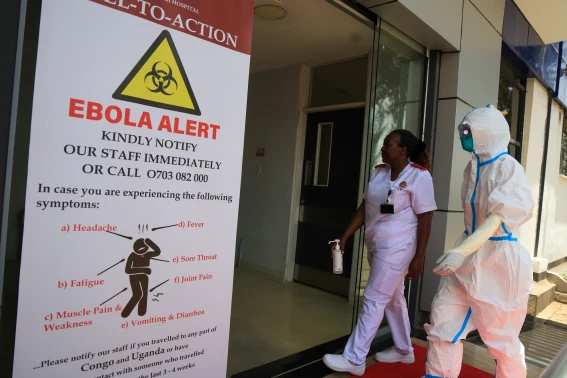
Kenya has confirmed a second case of Bundibugyo Ebola virus disease after a 39-year-old man developed symptoms while in quarantine as a close family…
Ebola is a rare but highly dangerous viral disease that causes severe bleeding, organ failure, and high death rates in humans. First identified in Central Africa in 1976 near the Ebola River in present-day Democratic Republic of the Congo, the virus spreads through direct contact with infected bodily fluids. Ebola outbreaks have mainly occurred in African countries and are considered major public health emergencies due to the disease’s rapid transmission and deadly impact.
Kenya has confirmed a second case of Bundibugyo Ebola virus disease after a 39-year-old man developed symptoms while in quarantine as a close family…
Kenya has confirmed its first imported case of Ebola after a Kenyan citizen who had been living in the Democratic Republic of Congo (DRC)…
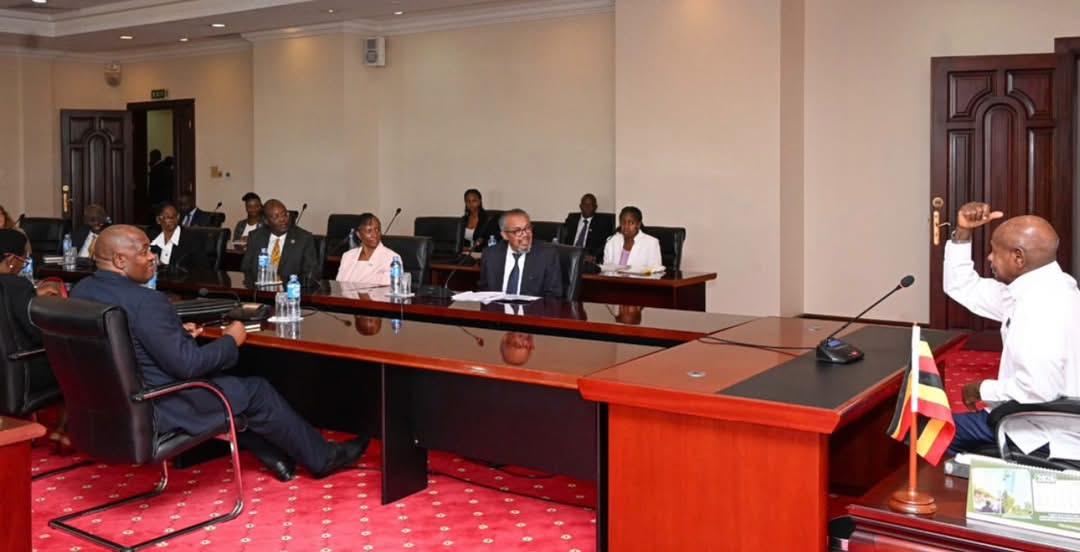
World Health Organization Director-General Tedros Adhanom Ghebreyesus has met Ugandan President Yoweri Museveni as health authorities battle a growing Ebola outbreak linked to neighboring…
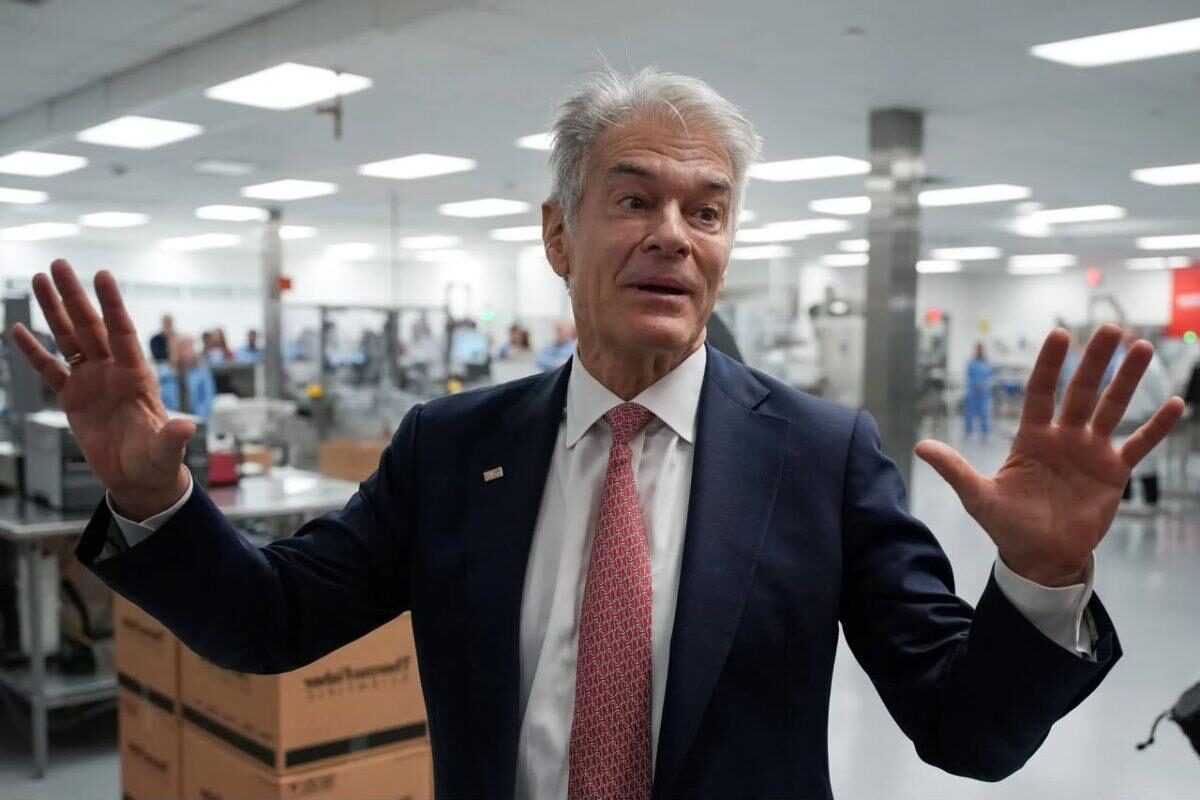
The United States says it has alternative countries willing to host an Ebola treatment and quarantine facility if Kenya's courts permanently block a controversial…
Kenya’s High Court has temporarily stopped a controversial US-backed Ebola quarantine project just hours after the facility officially began operations, following growing public anger…
Uganda has ordered the temporary closure of its border with the Democratic Republic of Congo following growing fears over the spread of the deadly…
As we count down to the start of the 2026 FIFA World Cup across the United States, Canada, and Mexico, another global concern is…
Tanzania and Kenya have been listed among 10 African countries considered at high risk of potential Ebola spread as health authorities monitor the worsening…
Félix Tshisekedi recently sparked political debate after suggesting he could consider remaining in power beyond a second term if Congolese citizens supported the idea.…
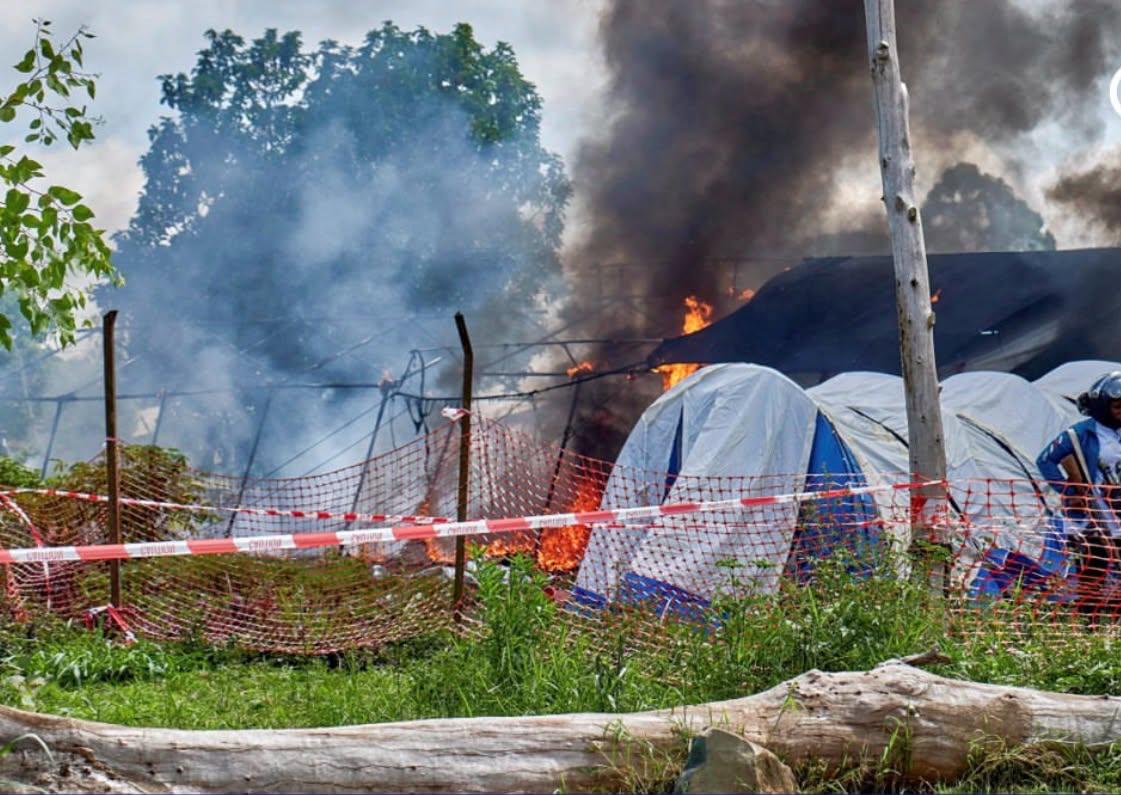
More than 18 Ebola patients escaped after a second treatment center was attacked and burned by angry residents in eastern Democratic Republic of Congo,…