Kenya has confirmed a second case of Bundibugyo Ebola virus disease after a 39-year-old man developed symptoms while in quarantine as a close family contact of the country’s first patient, giving health authorities an early opportunity to isolate the infection and investigate possible further exposure.
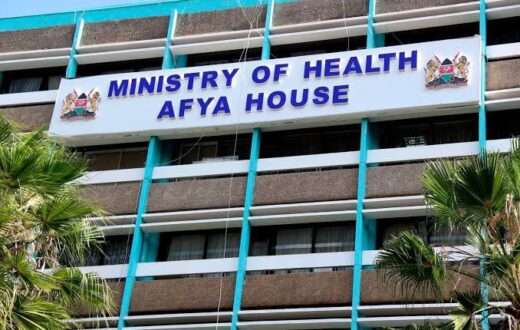
In a press release dated October 14, Director-General for Health Dr Patrick Amoth said the man had been under daily monitoring when he developed fever, fatigue and joint pains on October 13. Health workers immediately isolated him and collected samples, which tested positive at both the National Virology Reference Laboratory and the KEMRI-CDC laboratory.
The patient has since been transferred to a designated treatment centre, where he is receiving supportive care. The Ministry of Health said the early detection gives him a better chance of recovery and reduces the risk of him transmitting the virus to others.
“Because he was already in quarantine, his illness was detected early. Early supportive care improves his chances of recovery, and isolating him at the first symptom limits the chance of passing the virus to others,” Amoth said.
Kenya has now recorded two confirmed cases of the disease and one death. The first patient, a Kenyan who had been living in the Democratic Republic of Congo (DRC), developed symptoms before travelling through Uganda to Nairobi. He tested positive for the Bundibugyo virus and died on October 5.
The two cases are epidemiologically linked, according to the ministry, which said there was no evidence of transmission in the wider community at the time of the latest update.
Contact tracing is continuing around the first patient and the newly confirmed case. The ministry said it had identified 128 contacts linked to the first patient and had traced 113 of them as of October 13. Of those, five were outside Kenya, and authorities in the countries concerned had been notified under international health regulations. Tracing of the remaining contacts was continuing.
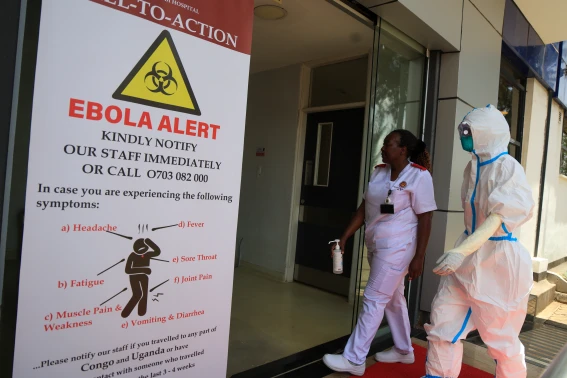
Health teams are also assessing people who may have come into contact with the second patient since his symptoms began, including family members and health workers. Authorities have reinforced infection-prevention measures at quarantine and treatment facilities and instructed health workers to use the required protective equipment.
The case highlights the importance of identifying and monitoring people who have been exposed to Ebola, particularly when symptoms can initially resemble other illnesses. By placing the man under quarantine before he became ill, authorities were able to identify the infection quickly rather than waiting for him to seek treatment after moving freely in the community.
The Bundibugyo virus is a distinct species of Ebola virus. It spreads through direct contact with the blood or other bodily fluids of an infected person, or with contaminated materials. It does not spread through the air in the way that influenza or measles can.
Symptoms can include fever, fatigue, muscle and joint pain, vomiting, diarrhoea and, in some cases, unexplained bleeding. Because early symptoms can resemble malaria and other common infections, laboratory testing and a patient’s exposure and travel history are important in identifying suspected cases.
The outbreak in the DRC has placed neighbouring countries on heightened alert. Kenya’s first confirmed case involved a traveller who had received treatment in the DRC before travelling through Uganda and arriving in Nairobi on October 3. The World Health Organization has been supporting Kenya and regional partners with surveillance, contact tracing, screening and public-health coordination.
The Bundibugyo strain presents particular challenges because there is currently no approved vaccine or specific treatment for the disease. Medical care focuses on supportive treatment, including maintaining hydration and managing complications, while public-health teams work to identify infections and interrupt transmission.
Kenya says its response is being coordinated nationally under the Public Health (Declaration of Formidable Epidemic Disease) Order, 2026, and the Public Health (Ebola Disease) Rules, 2026. The World Health Organization has been engaged under the International Health Regulations.
The ministry said Kenya remained open, with no restrictions on travel, trade or public gatherings announced in the statement. It urged the public to remain calm but vigilant, seek medical attention promptly if symptoms develop after possible exposure, and rely on official health updates rather than unverified information.
Anyone who develops symptoms such as fever, unusual tiredness, muscle or joint pain, vomiting, diarrhoea or unexplained bleeding should seek care at the nearest health facility, particularly if they may have been exposed to the virus. The ministry has asked the public to respect the privacy of affected families and use its toll-free information line, 719, for guidance.