Physical Address
Delta Corner Tower,
Waiyaki Way, Westlands, Nairobi, Kenya.
Contact us:
Email: info@todaysw.com
Physical Address
Delta Corner Tower,
Waiyaki Way, Westlands, Nairobi, Kenya.
Contact us:
Email: info@todaysw.com
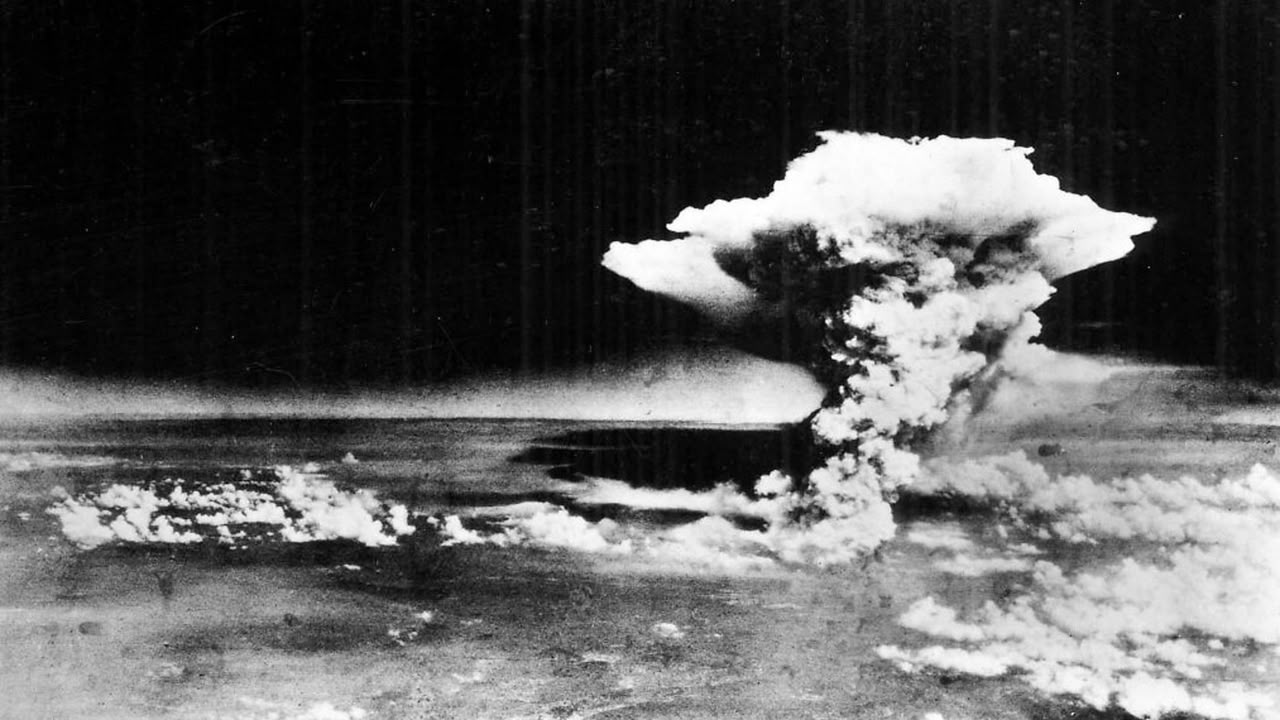
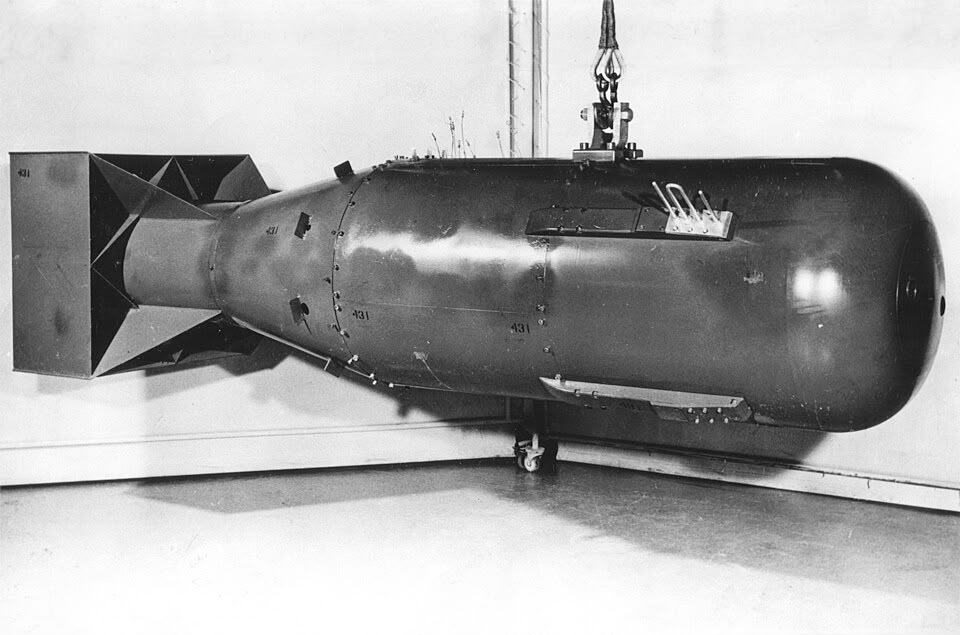
Eighty-one years ago today, on August 6, 1945, the United States dropped the atomic bomb “Little Boy” on Hiroshima, instantly changing the course of human history. In a matter of seconds, tens of thousands of people were killed. By the end of that year, an estimated 140,000 people had died from the blast, burns, and radiation, while countless survivors carried physical and psychological scars for the rest of their lives.
Every year, the world pauses to remember Hiroshima. Yet every year, the lesson seems to be forgotten a little more.
Today’s global conflicts are a reminder that the nuclear threat never truly disappeared. Russia’s war in Ukraine has repeatedly raised fears over nuclear escalation. The Israel-Gaza war has fueled instability across the Middle East, while recent confrontation between the United States and Iran showed how quickly regional crises can bring major powers to the brink. At the same time, nuclear weapons continue to expand across several countries instead of shrinking.
The irony is hard to ignore. Japan, the only nation to have suffered atomic bombings, now finds itself debating a stronger military as security concerns grow in Asia. Hiroshima survivors have warned that increasing militarization risks weakening the country’s long-standing commitment to peace.
History shows that wars often begin with promises of security but end with unimaginable human suffering. Hiroshima remains proof that once the line into destruction is crossed, there are no real winners.
In fact, apart from the approximately 140,000 deaths at the end of 1945, there was/is a group of survivors who were called “Hibakusha“; they never lived a normal life, as the majority of them or their offspring faced lifelong health issues such as Cancer and Leukemia.
As the world marks 81 years since Hiroshima, the anniversary should be more than a ceremony or a moment of silence. It should be a reminder that diplomacy, restraint and dialogue are not signs of weakness; they are the only reliable alternatives to repeating one of humanity’s darkest chapters.