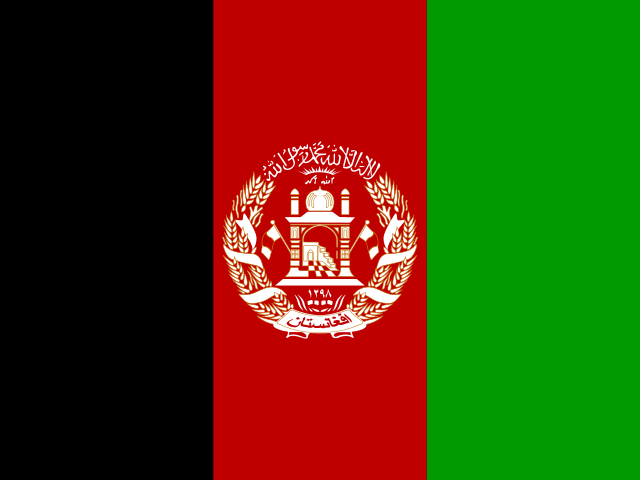
Afghanistan
Afghanistan, officially the Islamic Emirate of Afghanistan, is a landlocked country located at the crossroads of Central and South Asia. Known historically as the “Heart of Asia,” it is bordered by Pakistan to the east and south, Iran to the west, Turkmenistan, Uzbekistan, and Tajikistan to the north, and China to the northeast. Its rugged geography, dominated by the Hindu Kush mountain range, has shaped a history defined by resilience, strategic importance, and a diverse tapestry of ethnic groups, including Pashtuns, Tajiks, Hazaras, and Uzbeks.
In the modern era, Afghanistan’s narrative has been marked by significant political transitions and humanitarian challenges. Following the change in governance in August 2021, the nation has navigated a complex landscape of international relations, economic shifts, and internal social restructuring. As a tag, Afghanistan provides a hub for reporting on regional security, global diplomatic engagement, and the ongoing efforts to address food security and human rights within the country. This category offers readers a comprehensive view of a nation striving for stability while remaining a critical focal point of global geopolitical interest.
Quick facts about Afghanistan
- The country is dominated by the Hindu Kush mountain range, which stretches across the nation and divides it into northern and southern regions.
- Historically known as the "Crossroads of Central Asia," it served as a vital hub along the ancient Silk Road connecting East Asia, the Middle East, and Europe.
- Kabul is the capital and largest city, functioning as the political and economic center of the nation.
- Pashto and Dari (Afghan Persian) serve as the two official national languages spoken by the majority of the population.
- The country possesses vast unmined mineral reserves, including massive deposits of lithium, copper, rare earth elements, and iron ore.
No stories found.