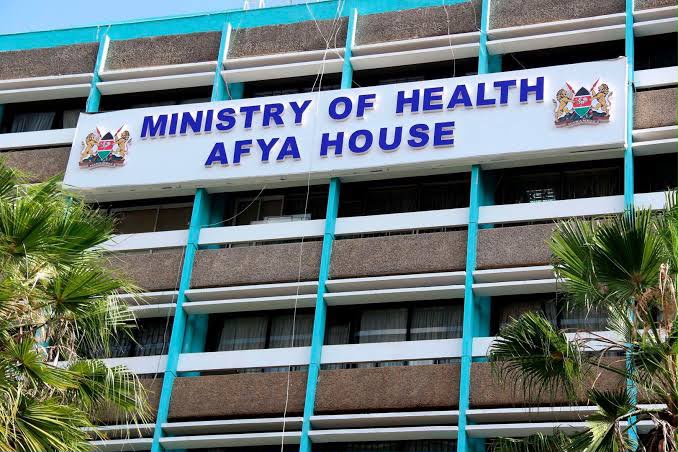
Kenya’s Ministry of Health has clarified the ongoing transition from the Social Health Authority (SHA) Provider Portal to hospital-based Health Management Information Systems (HMIS), saying the move is intended to reduce duplication and create a more integrated digital healthcare system.
In a press statement issued on Friday, October 2, Health Cabinet Secretary Aden Duale said there had been confusion surrounding the transition and sought to explain what had been in place, what is changing and how the new arrangement is expected to affect healthcare delivery.
Since the establishment of SHA, the Digital Health Agency has provided a portal through which healthcare providers submit and transmit claims to the authority. Hospitals, however, have also continued using their own HMIS to manage day-to-day operations.
According to the ministry, operating the two systems has meant that healthcare workers have sometimes had to enter or transfer the same information between platforms. The ministry says this has created additional administrative work and, in some cases, contributed to longer processing and waiting times for patients.
Under the new arrangement, the hospital’s HMIS is expected to become the primary system through which healthcare services and related information are managed. The system will communicate with SHA and other relevant health-sector platforms, reducing the need for staff to repeatedly enter the same information.
The ministry said the transition is not the introduction of an entirely new hospital system. Instead, it forms part of the ongoing rollout of Kenya’s digital health infrastructure, with the broader objective of connecting different components of the healthcare ecosystem.
For patients, the ministry expects the integrated approach to reduce waiting times by limiting duplicated administrative work. It also says patient information can be captured and accessed through a more connected workflow, supporting continuity of care and making admissions, consultations, procedures, billing and claims easier to process.
Hospitals and healthcare workers are also expected to benefit from having a single integrated workflow. The ministry says information captured at the point of care can flow to relevant systems without repeated manual entry, while hospital managers can have better access to information for planning resources, managing operations and monitoring services.
For SHA and other health insurers or payers, the ministry says the system could support more accurate and timely claims because claims can be generated from information recorded during actual patient care. Integration is also expected to reduce manual processing, improve verification and make it easier to identify duplicate claims, inconsistencies and unusual transactions.
The ministry further says digital records can provide greater visibility of services delivered, resources used and claims submitted, strengthening accountability across the healthcare system.
Duale said the wider objective is not simply to replace one portal with another, but to connect hospitals, SHA, medicines and medical supplies systems, equipment platforms and other components of the health sector.
The ministry acknowledged that the transition will require technical integration, adjustments and continued support for healthcare workers and health facilities. It said the focus should be on ensuring a smooth implementation while improving efficiency and accountability across the health sector.