


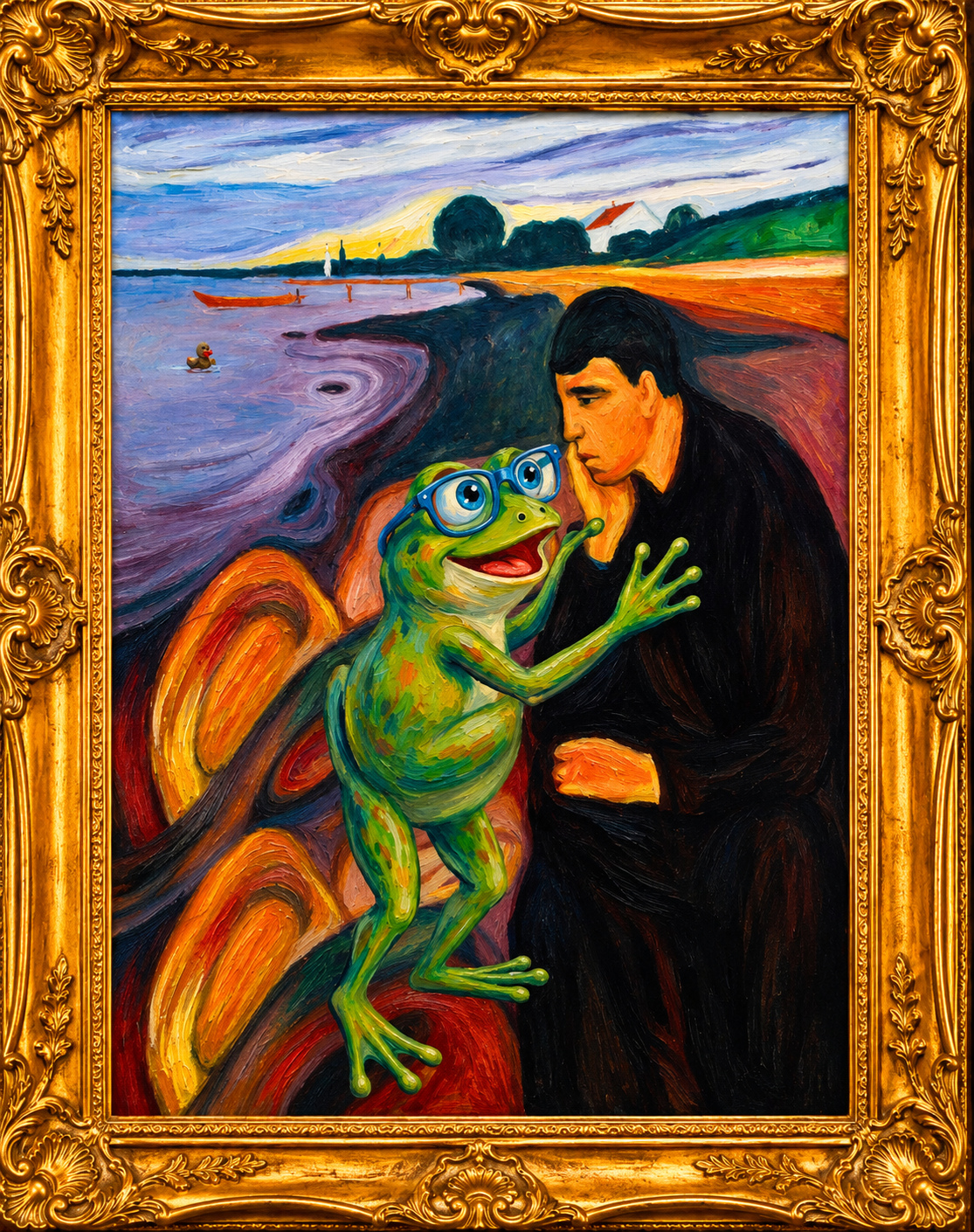
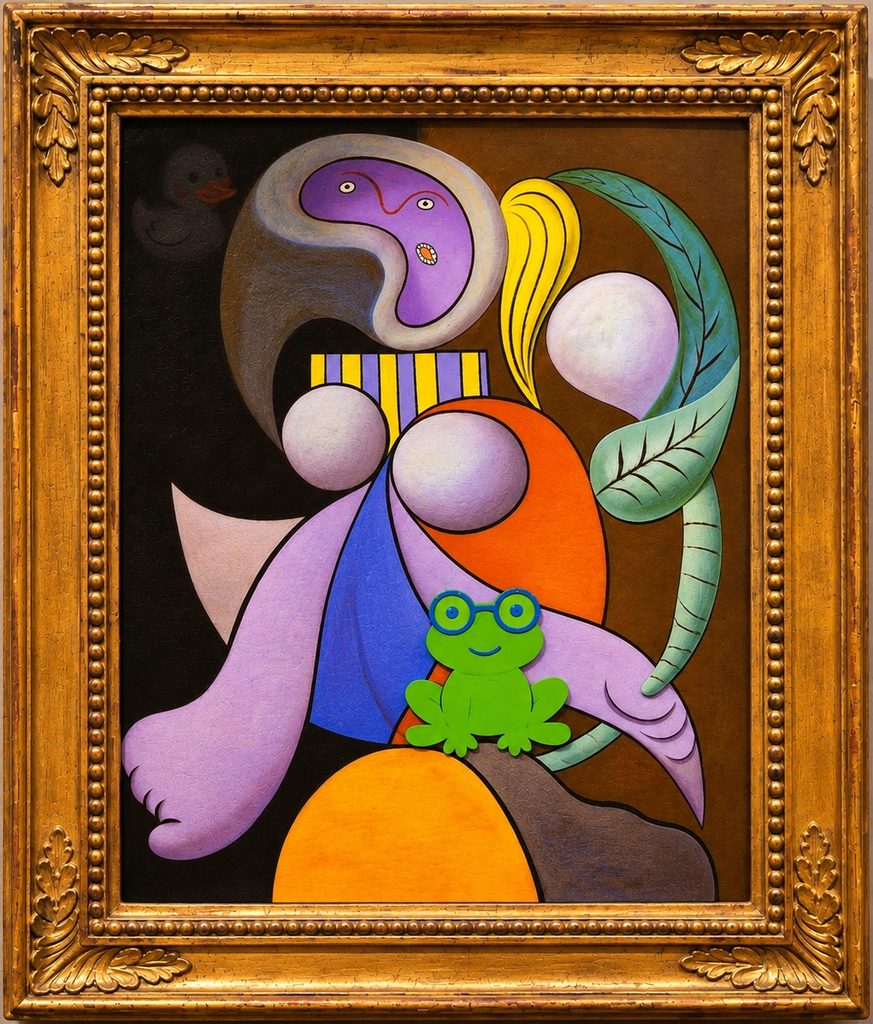
Imagine opening a famous painting and discovering a small green frog wearing blue glasses. He is not there by accident. Somewhere in the artwork, a shy little duckling with dark-grey feathers and rosy cheeks is hiding. The frog, René, wants you to find her. You look between the figures, follow the shapes and examine the background. Perhaps she is behind something you would normally overlook. Suddenly, a painting you may have seen many times has become a puzzle.
This is the idea behind VANFROG.ART, a project created by Renato Basteri, an Italian artist and special education teacher at I.C. Alfieri Bertagnini in Massa, Tuscany. With a background in scenography, Basteri has combined his interest in visual storytelling with digital experimentation to create a different kind of encounter with familiar works of art.
The project began with a modest audience of around 200 followers. Seven months later, Basteri says VANFROG.ART had attracted more than 9,000 followers and recorded over 164,000 views in the preceding 30 days, according to figures shared with Swahili Today in November 2026. The growth has given the project an audience beyond its original circle, but its central idea remains uncomplicated: invite people to look more closely.
Italian artist and special education teacher Renato Basteri has turned a simple game involving two characters hidden in famous paintings into an expanding art project that brings together visual culture, audience participation and human-directed artificial intelligence.
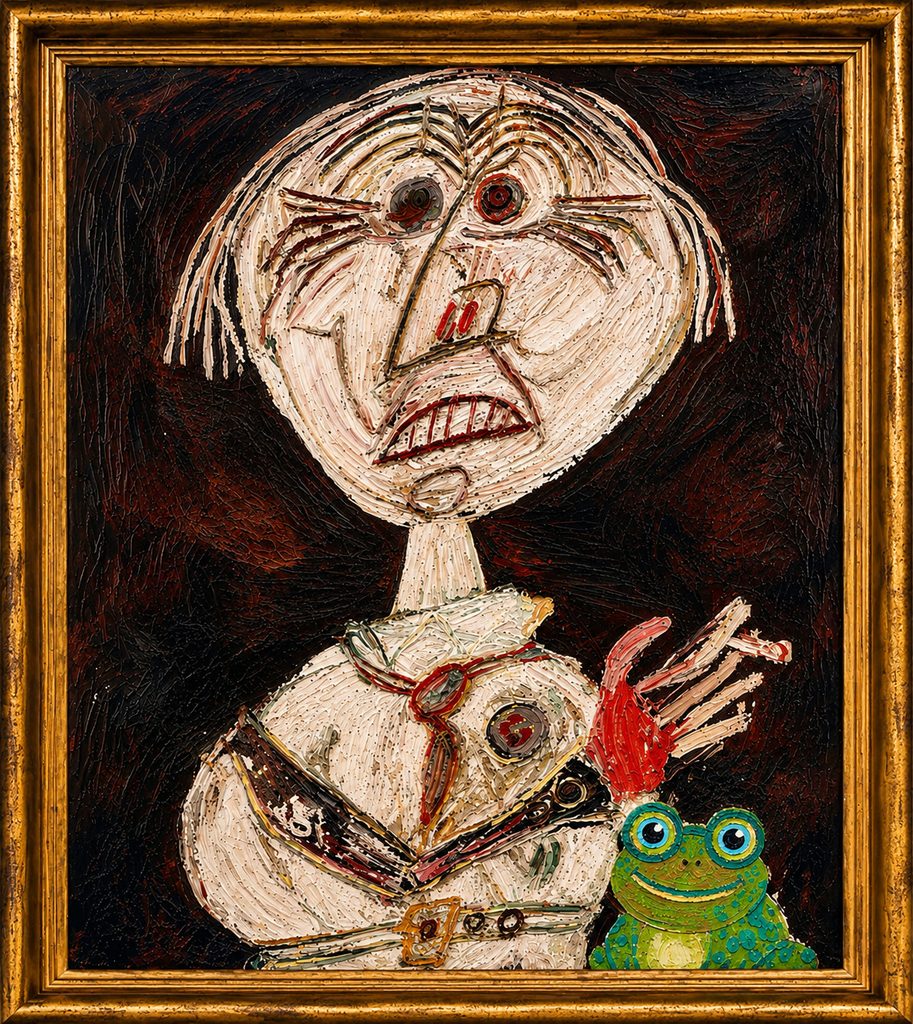
René is the green frog at the centre of the adventure, while Julie is the duckling people are asked to find. In each new artwork, the characters enter a different visual world. Sometimes René joins the movement of a painting; in another, he offers company to a solitary figure. Julie, meanwhile, takes advantage of the colours, shapes and details around her to find a hiding place.
The audience is not simply asked to admire the finished image. Each post becomes a small challenge. The first person to identify Julie correctly gets to choose the following day’s painting from two options. That decision gives followers a role in what comes next, turning the project into an ongoing exchange between the creator and the people following it.
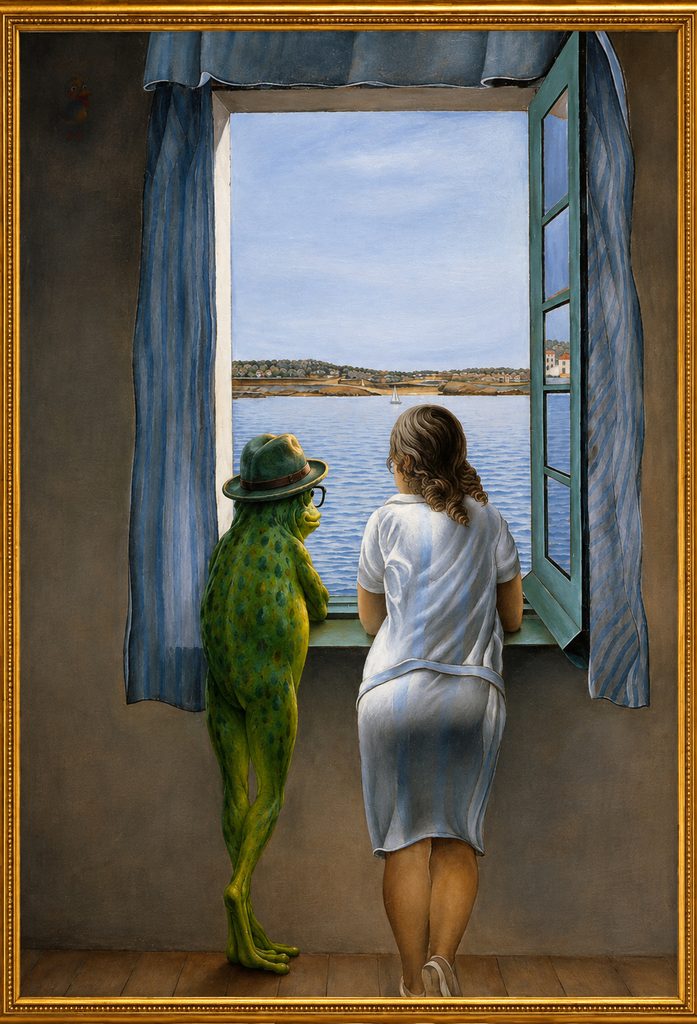
The paintings also give the characters different emotional settings. In one, René approaches a figure who appears weighed down by sadness. In another, he quietly joins a woman looking out towards the sea. These interventions do not attempt to replace the original paintings. They introduce new characters into them, giving viewers another reason to examine the composition and its details.
Finding the duckling is only one part of the experience. Basteri has also developed a section called Teacher’s Corner, which introduces the artist behind each original painting, its technique, historical background and selected details about its creation. The additional information gives the audience a way to explore the work after the search is over. A quick game can lead to questions about an artist, an artistic movement or the period in which a painting was made.
That educational element is closely connected to Basteri’s work as a teacher. In his classroom, pupils begin by drawing their own characters by hand before exploring digital transformations with tools such as ChatGPT and Gemini. They can compare what happens when they give different instructions to the tools and see how the wording of a prompt affects the result.
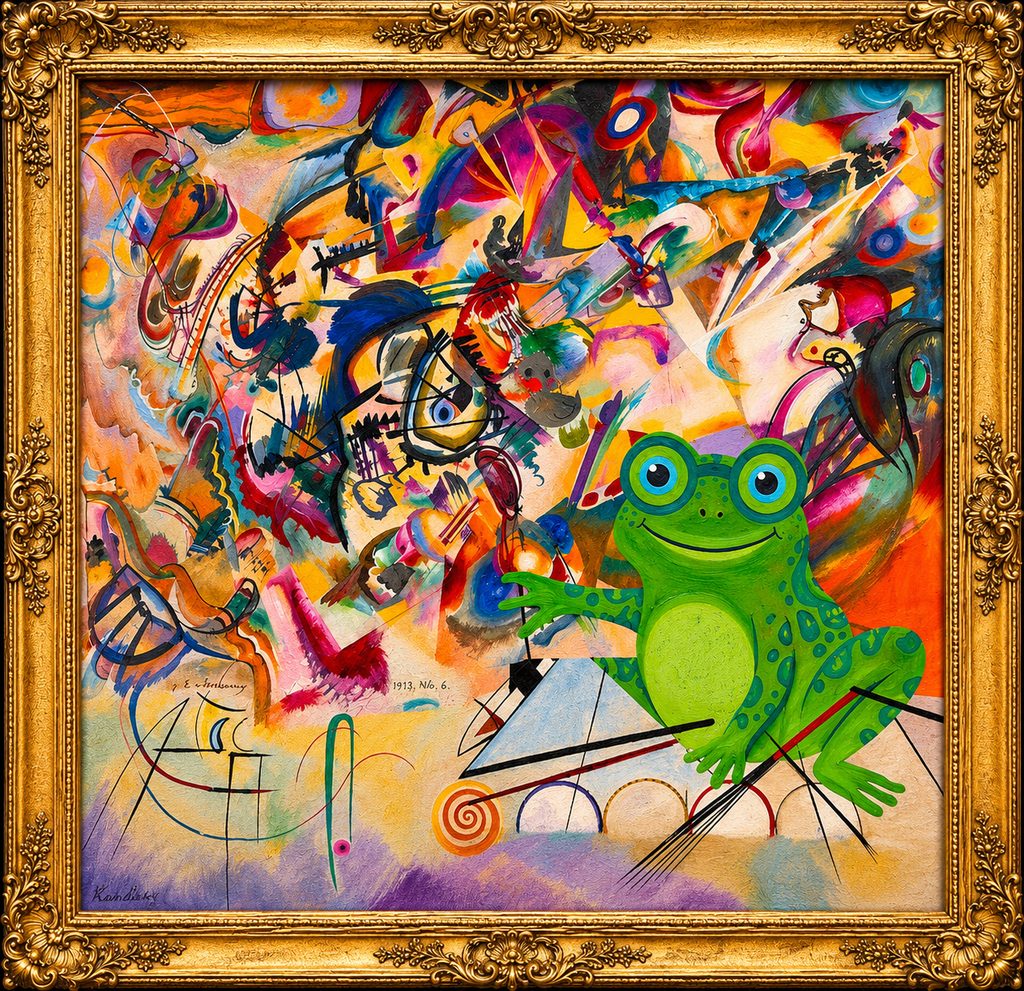
For Basteri, artificial intelligence is a tool directed by people, not a substitute for their imagination. The pupils’ drawings, decisions and instructions remain part of the process. The technology provides another way to experiment with an idea, but it does not remove the need to observe, make choices and decide what the final image should communicate.
The classroom approach also offers different ways for pupils to take part. Drawing, discussing, observing and experimenting can give students with different abilities opportunities to contribute to a shared activity. Rather than requiring everyone to produce identical work, the exercise allows them to approach the creative process in different ways.
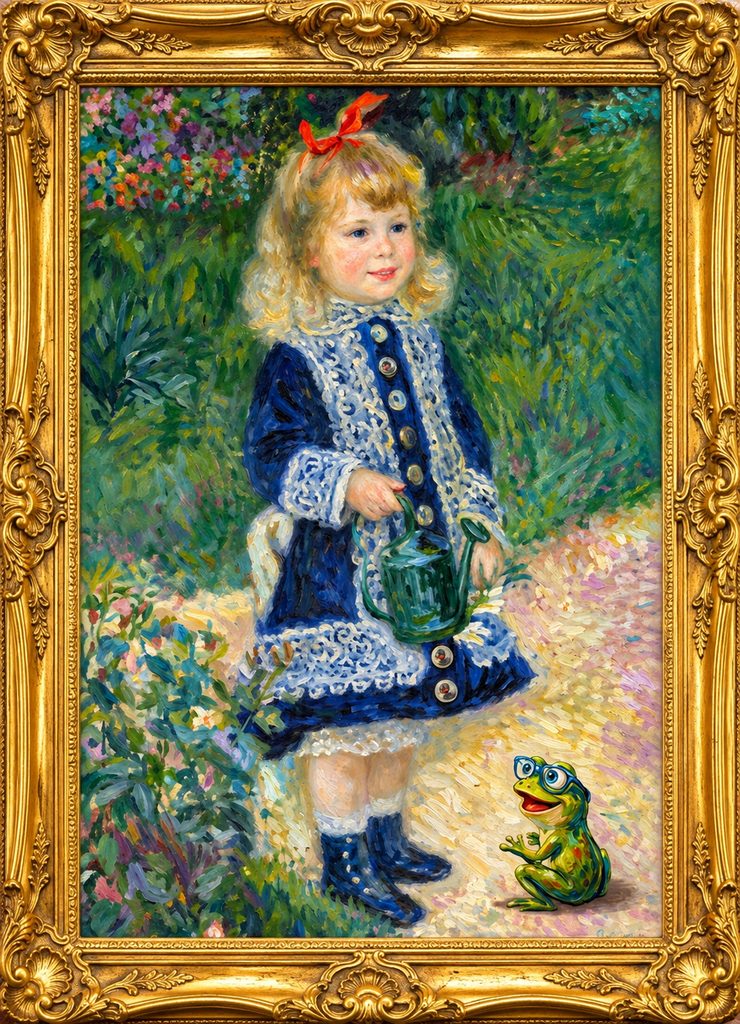
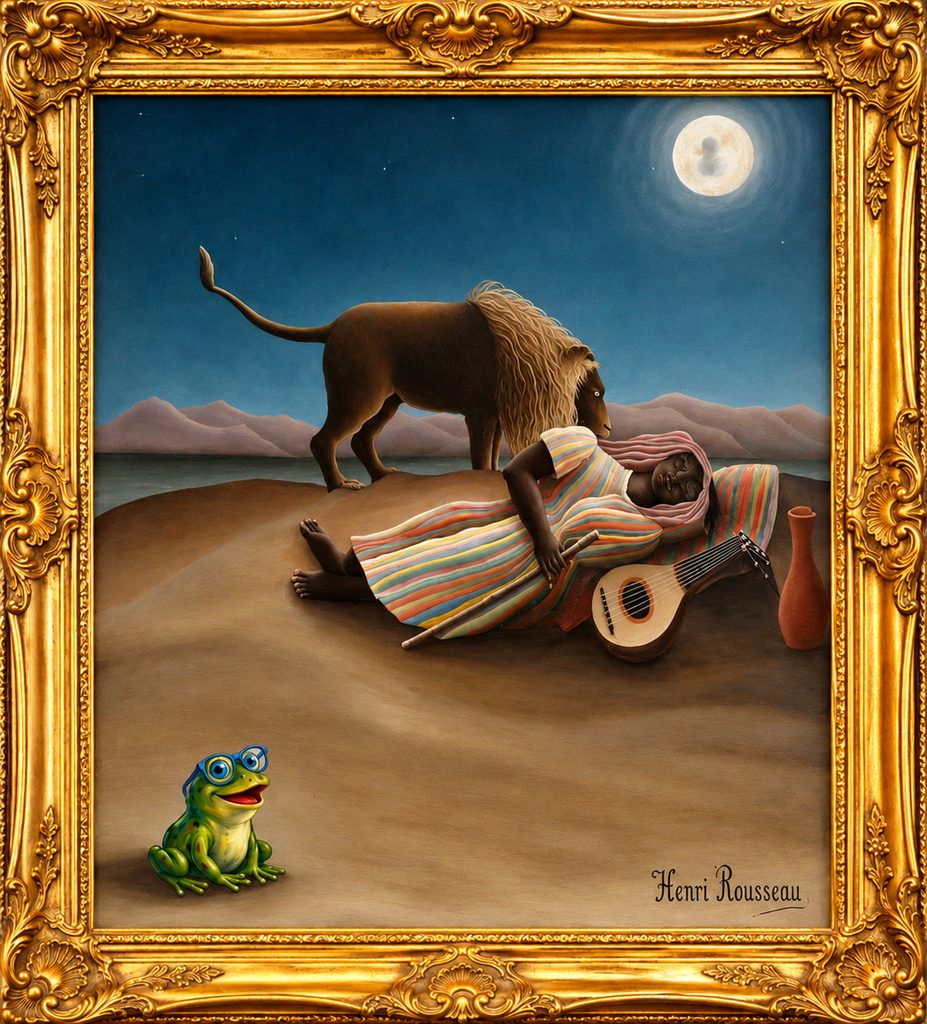
The project has also moved beyond its original social media setting. Basteri’s work has been presented in connection with art events and displays in several cities, including Milan, Tokyo, London, Amsterdam and New York. These appearances have taken different forms, and should not all be understood as conventional gallery exhibitions. One of the works, inspired by Henri Rousseau’s The Sleeping Gypsy, was selected for presentation in Madrid on 24–25 November 2026, according to material supplied by Basteri. He has also reported a further selection for Paris in January 2027.
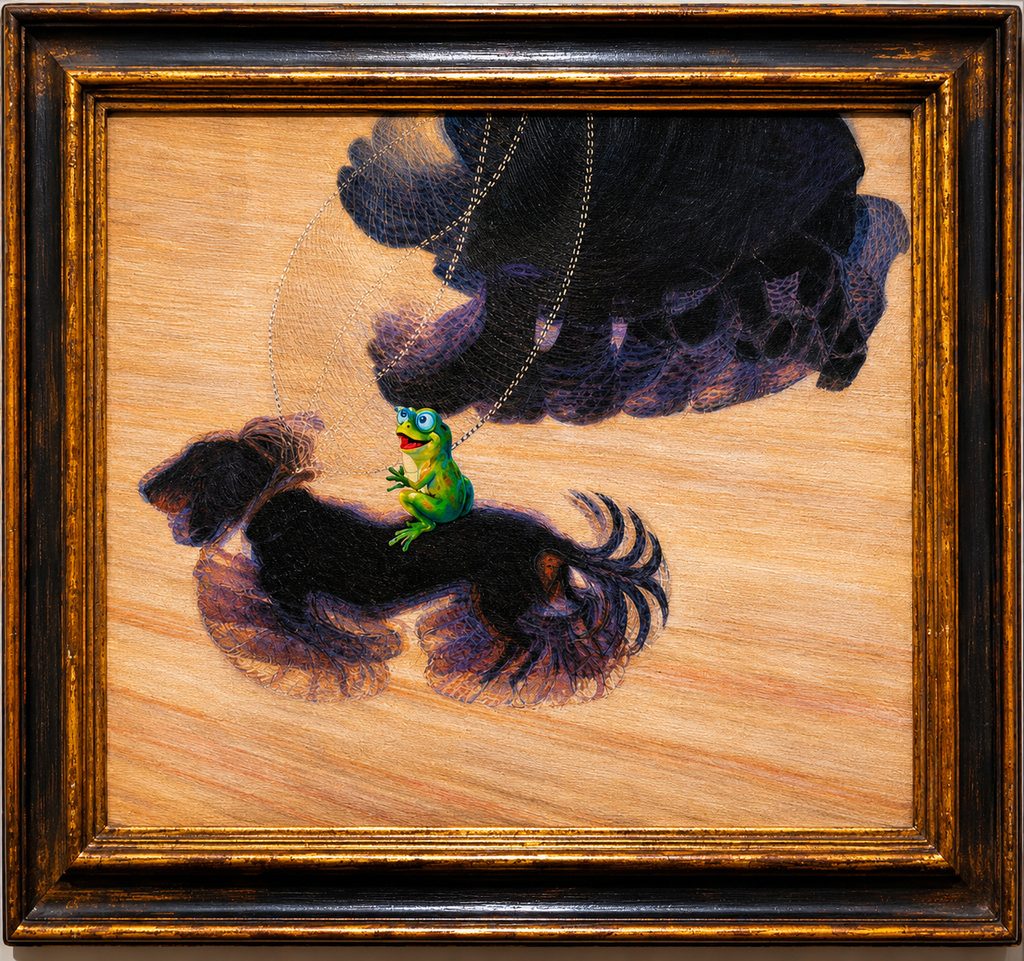
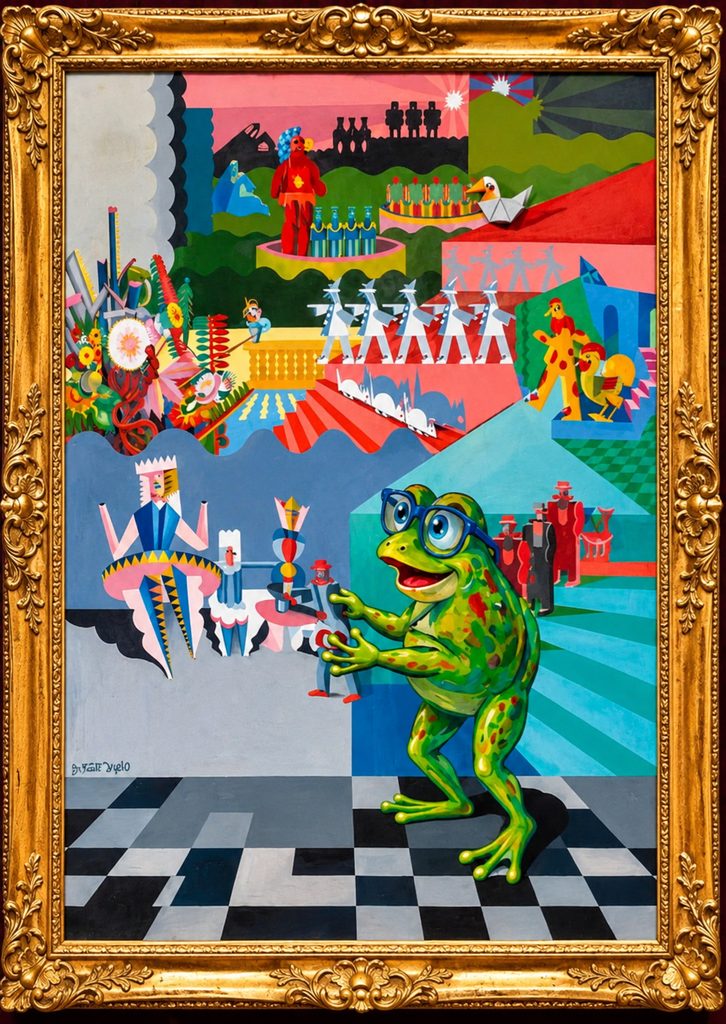
Other paintings offer different opportunities for the characters to interact with the original composition. In the work inspired by Italian Futurist artist Fortunato Depero, René joins the geometric figures and plays with the rhythm of the shapes. In another, he sits beside a woman, adapting to the painting’s distinctive visual language. The settings change, but the invitation remains the same: look carefully, notice what is there and find Julie.
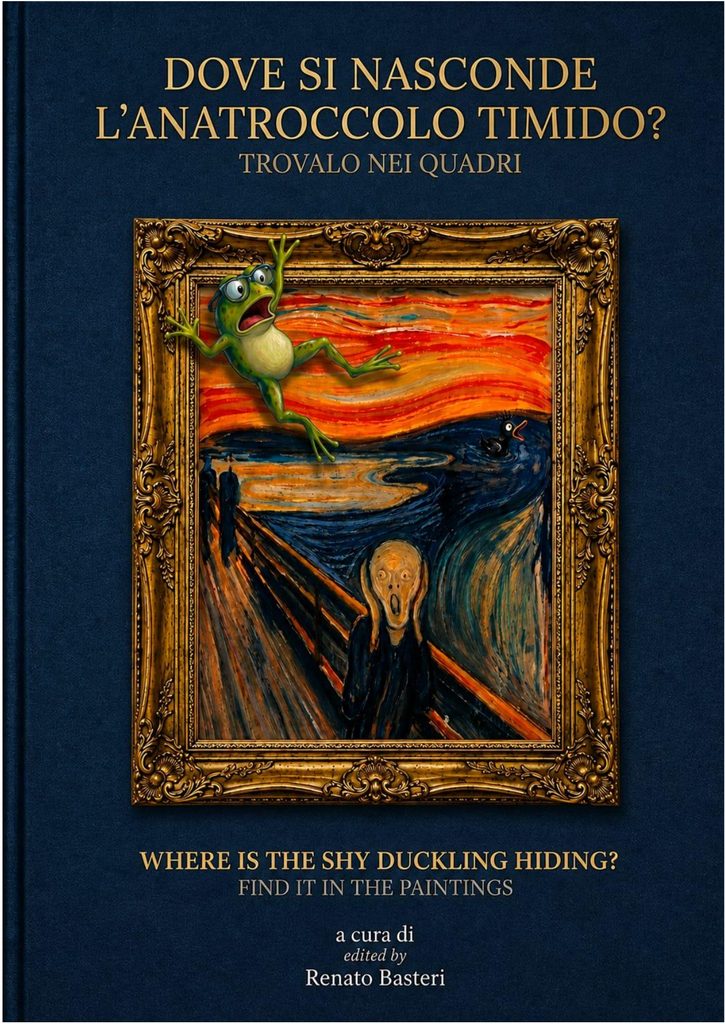
VANFROG.ART has also become a book. Basteri’s bilingual Italian-English publication, Dove si nasconde l’anatroccolo timido? Trovalo nei quadri / Where Is the Shy Duckling Hiding? Find It in the Paintings, takes the search beyond the daily social media posts. Readers can turn through the pages, examine the artworks and look for Julie at their own pace.
The project’s development brings together several interests that are often discussed separately: art, education, digital tools and the way people interact with images. Its approach does not require viewers to have studied art history before taking part. They can begin with a simple question, spend time examining a painting and discover more about it along the way.
That may be the most important part of the idea. In a digital environment where images are often passed over within seconds, VANFROG.ART gives people a reason to pause. The characters provide the invitation, the paintings provide the setting and the search gives viewers something to do. What they discover may extend beyond a hidden duckling to details, techniques and artists they had not previously considered.
For Basteri, the journey that began with a small online audience is still developing. New paintings offer new hiding places, while the classroom activities, book and international presentations give the project other ways to reach people. René and Julie may move from one artwork to another, but the purpose behind their adventures remains consistent: encourage people to spend a little more time with art and discover what they might otherwise miss.




Comments0 ShowHide