Ethiopia’s federal government has dissolved the existing interim administration of the Tigray region and appointed a new caretaker leadership for six months, a move presented as an effort to restore stability and organise elections but likely to intensify debate over regional autonomy, unresolved wartime grievances and the future of the 2022 peace agreement.
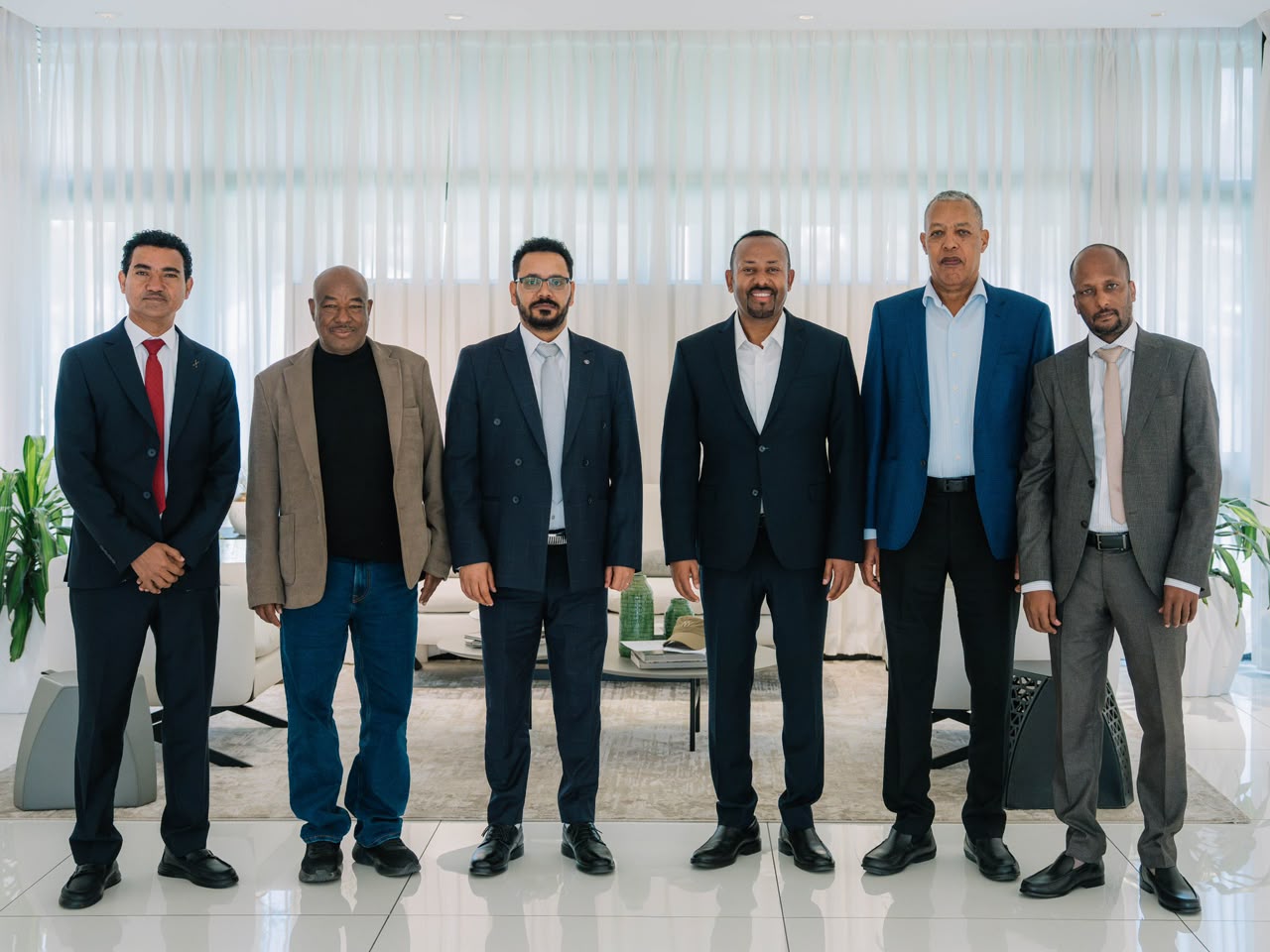
Prime Minister Abiy Ahmed announced the new administration on October 16, following a decision by the House of Federation and a subsequent federal government resolution. The caretaker body is expected to restore public services, rebuild infrastructure damaged during the war, facilitate the return of displaced residents and prepare the region for free and fair elections within six months.
The announcement comes amid renewed fighting between federal forces and Tigrayan fighters, threatening the fragile peace established by the Pretoria Agreement in November 2022. The federal government blames the Tigray People’s Liberation Front (TPLF) leadership for obstructing the peace process and restarting hostilities. The TPLF’s position and the wider grievances surrounding the conflict remain central to the region’s political crisis.
The new administration will operate under federal government direction and oversight, with officials responsible for public services, economic recovery, security, political mobilisation and the administration of Mekelle, Tigray’s regional capital. Its mandate includes restoring government structures, coordinating security institutions, encouraging combatants to return to civilian life and preparing the political conditions for elections.
Abiy’s government says the arrangement is intended to help Tigray return to normal regional governance while remaining within Ethiopia’s federal system. However, the decision raises questions about how much political independence the region will exercise during the transition and whether the new administration will command public confidence among Tigrayans who have long demanded the right to govern their region.
The dispute has roots in Ethiopia’s political transformation after Abiy became prime minister in 2018. The TPLF had been a dominant force in national politics for nearly three decades as part of the coalition that governed Ethiopia. Abiy’s efforts to establish a new national party and reshape the political system weakened the TPLF’s influence, leading to a prolonged confrontation over federal authority, regional autonomy and the country’s political future.
The confrontation escalated into war in November 2020. The conflict involved Ethiopian federal forces, Tigrayan forces, Amhara regional forces and Eritrean troops. It caused mass displacement, widespread destruction, severe food insecurity and the breakdown of essential services. Estimates of the death toll vary, but the war is widely recognised as one of the most devastating conflicts in recent African history.
Tigrayans’ claims of discrimination are also rooted in documented abuses against civilians. In a joint investigation published in 2022, Human Rights Watch and Amnesty International found that Amhara regional forces and civilian authorities had carried out widespread abuses against Tigrayans in Western Tigray, including unlawful killings, sexual violence, arbitrary detention, forcible displacement and the denial of humanitarian assistance. The organisations concluded that the campaign amounted to ethnic cleansing, war crimes and crimes against humanity, with possible complicity by Ethiopian federal forces.
The conflict also involved serious abuses against other communities. Tigrayan forces were implicated in killings of Amhara civilians, including during the Mai Kadra massacre in November 2020. These findings demonstrate why the conflict cannot be reduced to a simple contest between one innocent side and one guilty side, even as the documented persecution and forced displacement of Tigrayan civilians remain significant unresolved issues.
Territorial disputes in Western Tigray continue to complicate the peace process. The area has long been contested by Tigrayan and Amhara communities, and hundreds of thousands of Tigrayans were displaced during the war. The question of who should administer the territory, and whether displaced residents can safely return to their homes, remains politically sensitive.
The Pretoria Agreement ended the main phase of the war and established a framework for disarmament, humanitarian assistance, the restoration of services and political normalisation. But implementation has remained incomplete. Disputes over territory, security arrangements, displaced people and the relationship between the regional and federal authorities have continued to undermine confidence in the settlement. Renewed fighting in September 2026 has further weakened prospects for a durable peace.
The six-month caretaker administration will therefore face challenges beyond restoring day-to-day government services. It will need to help create conditions for credible elections, address the needs of displaced people, support reconstruction and reduce the risk of further violence. The success of those efforts will depend partly on whether Tigray’s political groups and communities regard the process as inclusive and legitimate.
For the federal government, the appointment is an attempt to restore order and return the region to elected governance. For those concerned about Tigray’s autonomy, however, replacing its interim administration with a body operating under federal oversight could deepen fears that the region’s political future is being decided in Addis Ababa rather than by Tigrayans themselves.
The central question is whether the new administration can deliver the peace, representation and reconstruction it promises while addressing the grievances that helped fuel the conflict. Without progress on those issues, a six-month timetable for elections may prove easier to announce than to implement.