West Africa
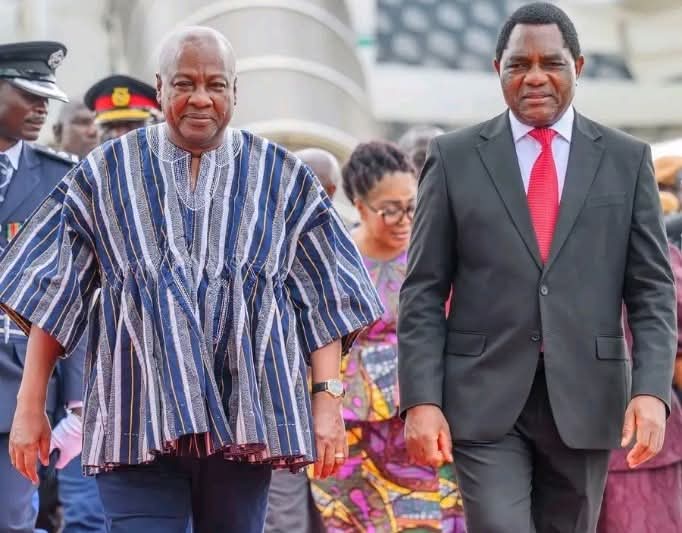
Ghana: “Fugu Day” Trend Takes Over Social Media
Following an online debate about President Mahama’s traditional northern attire, the Ghanaian government has officially seen a surge in "Fugu Wednesday." Citizens are flooding…
History is the systematic study and documentation of the human past, encompassing the rise and fall of civilizations, the evolution of cultures, and the transformative events that have shaped the modern world. Rather than a mere collection of dates and names, history is a critical narrative that explores the “why” and “how” behind the development of societies. From the ancient empires of Egypt, Rome, and Mali to the industrial and digital revolutions of the modern era, the study of history provides the essential context needed to understand current global dynamics and predict future trajectories.
The discipline relies on a rigorous examination of primary sources—such as archaeological findings, written records, oral traditions, and digital archives—to reconstruct past lives and perspectives. It highlights the interconnectedness of humanity, tracing the migrations, trade routes, and philosophical shifts that have crossed borders for millennia. By analyzing past successes and failures, history serves as a collective memory, offering lessons in leadership, resilience, and social justice. In an increasingly globalized world, a deep understanding of historical contexts is vital for fostering cross-cultural empathy and informed citizenship.
This tag serves as a bridge between the past and the present, offering a deeper look at the events that define our shared heritage. Here you will get all news and updates for History, including new archaeological discoveries, insights into significant anniversaries, archival breakthroughs, and historical analysis that sheds light on the headlines of today.
Following an online debate about President Mahama’s traditional northern attire, the Ghanaian government has officially seen a surge in "Fugu Wednesday." Citizens are flooding…
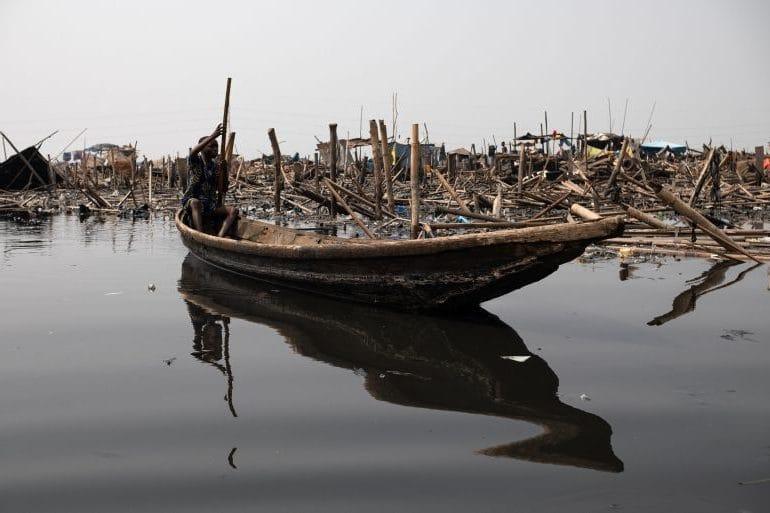
Residents of Lagos’ famous Makoko floating village are decrying what they call "colonial-era classism" as state authorities resumed demolitions of stilt homes. Thousands of…
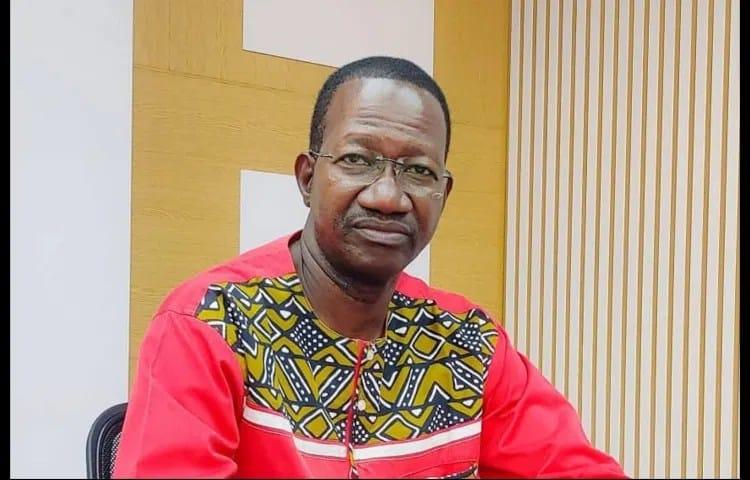
Journalist Youssouf Sissoko was detained in Bamako after questioning Niger’s claims that neighboring African presidents were supporting extremist groups. The arrest highlights a shrinking…
A passenger plane carrying 55 people overshot the runway and ended up in the sea during an emergency landing in Somalia today. Remarkably, emergency…
Ethiopia has issued a stern diplomatic demand for neighbouring Eritrea to “immediately withdraw” its troops from Ethiopian territory, accusing Asmara of supporting local rebel…
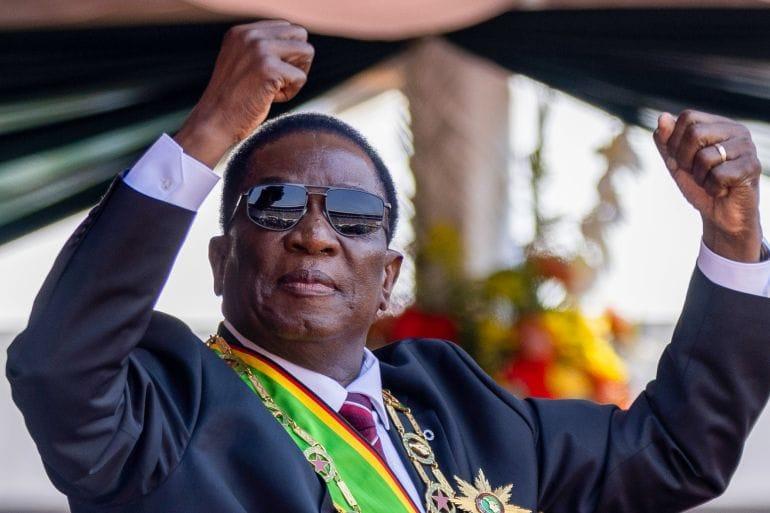
Zimbabwe’s cabinet has approved draft constitutional amendments that could allow President Emmerson Mnangagwa to remain in office until at least 2030, intensifying a bitter…
The Kenyan government has announced a new senior school fees structure for 2026 in a major policy shift aimed at protecting households from arbitrary…
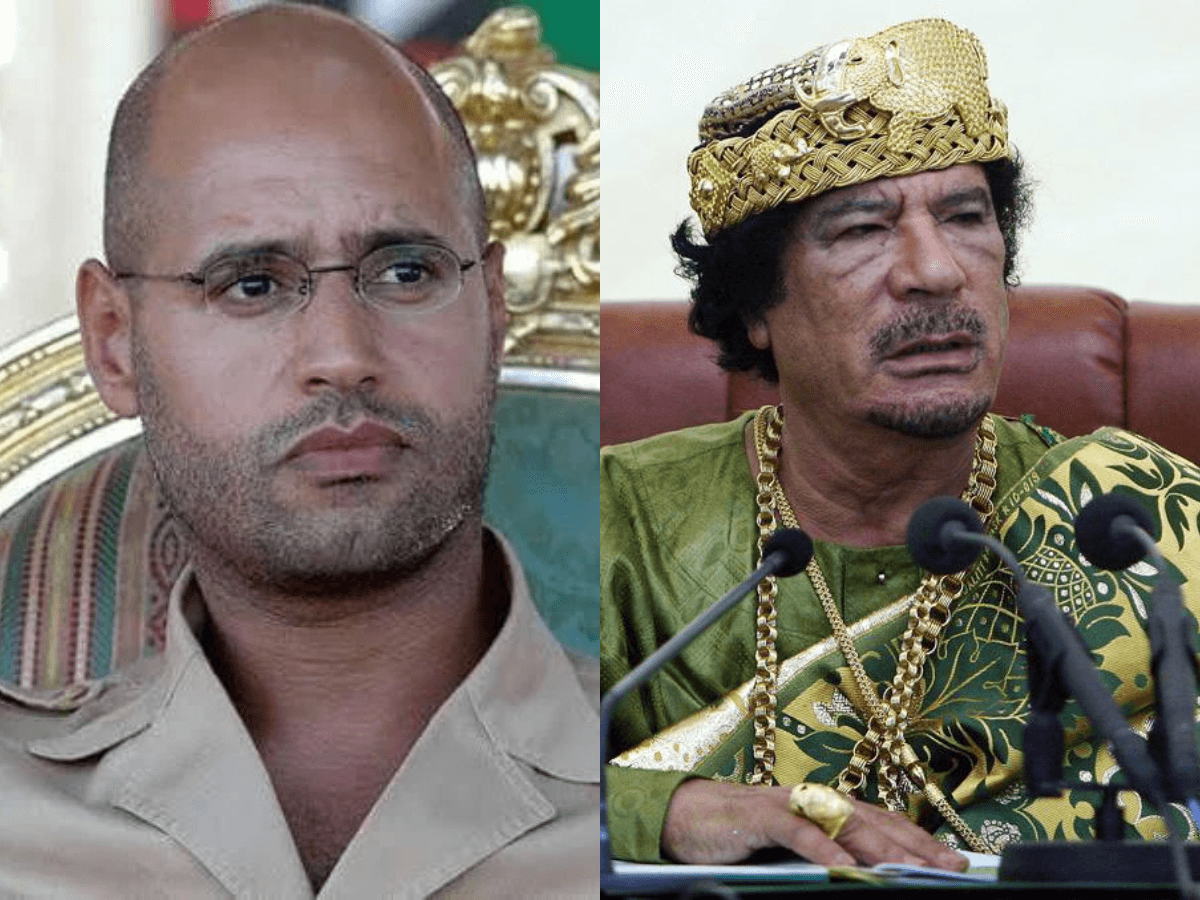
Saif al-Islam Gaddafi, the 53-year-old son of former Libyan leader Muammar Gaddafi, was shot dead by unknown gunmen at his home in Zintan, sparking…
Ghana has temporarily suspended citizenship applications for people of African descent abroad as authorities overhaul an often costly, complex system designed to reconnect diaspora…
The late professional wrestler Ashley Massaro, a former WWE standout, has been referenced in newly released documents from the Jeffrey Epstein Files, the U.S.…